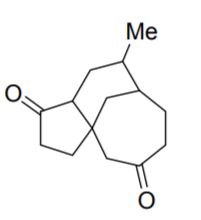
所屬科目:學士後西醫-有機化學
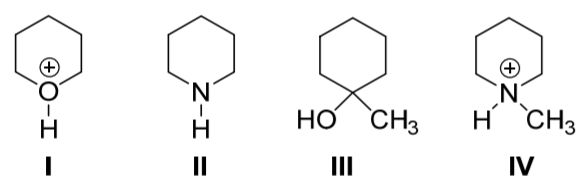
1. Rank the following monomers in order of increasing reactivity toward cationic polymerization (least reactive to most reactive). (A) III, IV, I, II (B) II, I, IV, III (C) I, II, IV, III (D) IV, III, I, II (E) I, II, III, IV
2. What product would be obtained for the following reaction?(A) CH3(CH2)3C≡CCH2OH (B) CH3(CH2)3C≡CCHO (C) CH3(CH2)3C≡CH (D) CH3(CH2)3C≡CNMe2 (E) None of the above.
3. Which two have the same molecular geometry? (A) I, II (B) III, IV (C) I, V (D) II, V (E) IV, V
4. Which nitrogen(s) have more basic? (A) I (B) II (C) III (D) I, II, and III are acidic (E) None of the above.
5. Rank the acidity of the following compounds. (A) I > IV > III > II (B) I > III > IV > II (C) IV > II > I > III (D) II > I > IV > III (E) None of the above.
6. What is the order of increasing acidity for the following compounds? (A) IV < I < II < III (B) III < II < I < IV (C) III < II < IV < I (D) IV < II < I < III (E) I < IV < II < III
8. Choose the correct product of the following reaction? (A) (B) (C) (D) (E)
9. How many monochloro substituted products C6H13Cl you might obtain by reaction of 2-methylpentane with Cl2? (A) 1 (B) 2 (C) 3 (D) 4 (E) 5
10. There are some isomers of 4-t-butylcyclhexane-1,3-diol. Which isomer reacts readily with acetone and an acid catalyst to form an acetal, but other stereoisomers do not react? (A) (B) (C) (D) (E)
12. Which of the following pairs are enantiomers? (A) II, IV (B) I, III (C) I, II, III (D) I, II, V (E) I, III, V
13. Consider the two energy diagrams Fig. I and Fig. II given below. Which of the following is correct with respect to these diagrams? (A) Fig. I represents an SN2 reaction (B) Fig. II represents an SN1 reaction (C) Fig. II represents an SN2 reaction (D) Fig. I represents an SN1 reaction (E) Both {C} and {D}.
14. Find the energy cost of a 1,3-diaxial interaction for the following compounds, which has most 1,3-diaxial interaction energy? Assume the following 1,3-diaxial strains. (A) Isopropylcyclohexane (B) Fluorocyclohexane (C) Cyclohexanecarbonitrile (D) cis-1-Chloro-2-methylcyclohexane (E) trans-1-Chloro-2-methylcyclohexane.
15. Which of the following species is the least nucleophilic? (A) Me3CO (B) H2O (C) Me3N (D) BF3 (E) CN
16. What is the correct structure for α-D-glucopyranose? (A) (B) (C) (D) (E)
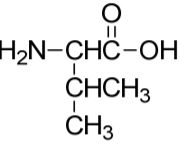
17. Which of the following is a correct representation of the amino acid below? (A) Isoleucine (B) Ile (C) I (D) All of these represent this amino acid (E) Either {A},{B}, or {C}represent this amino acid.
19. What is the IUPAC name of the following compound? (A) (2S,4R)-Dimethylpentanal (B) (2S,4S)-Dimethylpentanal (C) (R)-2,4-Dimethylpentanal (D) (S)-2,4-Dimethylpentanal (E) (2R,4R)-Dimethlypentanal.
20. How many E configuration are there in the following compounds? (A) 1 (B) 2 (C) 3 (D) 4 (E) 5
25. Which of the following carbonyl groups exhibits the highest wavenumber in infrared spectroscopy? (A) (B) (C) (D) (E)
26. Compound X has the molecular formula C10H12O. The IR spectrum of X has a strong band near 1710 cm-1. Compound X forms a phenylhydrazone, but gives a negative Tollens’ test and a positive iodoform test. What is the structure of the compound X? (A) (B) (C)(D) (E)
29. Which compounds have 3 signals in the 13C NMR spectrum? (A) I, II (B) III, IV (C) I, II, III (D) I, III, IV (E) I, II, III, IV
30. Using a 300 MHz 1 H NMR instrument, if a H shows a triplet at δ 4.02, 4.00, 3.98 ppm, please calculate it’s coupling constant. And where will this triplet peak shows up at a 600 MHz 1 H NMR instrument? (A) 6 Hz; δ: 4.01, 4.00, 3.99 ppm (B) 6 Hz;δ: 4.02, 4.00, 3.98 ppm (C) 6 Hz; δ: δ: 4.00, 3.98, 3.96 ppm (D) 2 Hz; δ: 4.02, 4.00, 3.98 ppm (E) 2 Hz; δ: 4.00, 3.98, 3.96 ppm.
31. Consider the reaction below, how many pairs of electrons are involved in this pericyclic reaction? (A) 2 (B) 4 (C) 8 (D) 16 (E) 10
33. What is the order of decreasing reactivity towards nucleophilic acyl substitution for the carboxylic acid derivatives? (most reactive first) (A) I, III, II, IV (B) II, III, I, IV (C) III, II, I, IV (D) IV, I, III, II (E) IV, III, I, II
34. Consider the elimination reaction: 2-bromohexane was treated with sodium methoxide in methanol. The product(s) of the reaction is(are): (A) (B) (C) An equimolar mixture of {A} and{B} (D) A mixture of the major product {A}with the minor product {B} (E) A mixture of the major product{B} with the minor product{A}.
35. To answer the following question, consider the reaction below: The dehydration of alcohol by reaction with POCl3 in pyridine is an example of: (A) E1 process (B) SN1 process (C) E2 process (D) SN2 process (E) None of above.
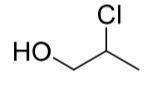
36. Which is addition reaction in the following reactions? (A) (B) (C) (D)(E)
37. Which of the following substrates will not form a Grignard reagent when treated with Mg/diethyl ether? (A) (B) (C) (D) (E)
38. Which is the name reaction in the following reaction? (A) Mannich reaction (B) McMurry reaction (C) Wolff-Kishner reaction (D) Dess-Martin reaction (E) Dieckmann reaction.
39. What is the major product of the following reaction? (A) (B) (C) (D) (E)
40. Predict the structure of the expected product for the following reaction. (A) (B) (C) (D) (E)
41. What product would be obtained from the following reaction? (A) (B) (C) (D) (E)
42. Which structure for the compound A (formula C5H8O) that fit the following proton NMR data? Chemical shift δ: 1.55 (singlet, 6H), 2.27 (broad singlet, 1H), 2.46 (singlet, 1H) ppm. (A) (B) (C) (D) (E)
43. Which of the following reactions is often called olefin metathesis? (A) (B) (C) (D) (E)
44. For the reaction shown below, the resulting stereochemistry of the expected product is best described as: (A) (R, E) (B) (S, E) (C) (R, Z) (D) (S, Z) (E) only (S).
45. How would you prepare the following carbonyl compound from a nitrile? (A) 1) EtMgBr; 2) NaOH, H2O (B) 1) EtMgBr; 2) LiAlH4; 3) H3O (C) 1) EtMgBr; 2) H2O (D) 2) EtMgBr; 2) CO2; 3) H3O (E) 1) EtMgBr; 2) PCC
46. Which one is the reactant of the following reaction? (A) (B) (C) (D) (E)
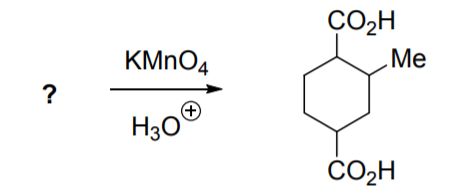
47. Which is the best reagent for following reaction? (A) PCC (B) Jones reagent (C) MnO2 (D) Ag2O (E) KMnO4
49. Show how you might use an annulation reaction to synthesize the following compound. Draw the structure of final product. (A) (B) (C) (D) (E)
51. Which of the following reagents is suitable for the following transformation?(A) I (B) II (C) III (D) I, II (E) II, III
52. What product would be obtained from the following reaction? (A) (B) (C) (D) (E)
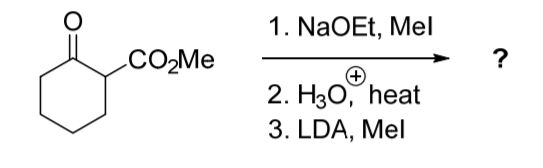
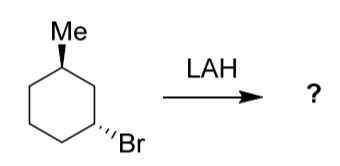
53. What is the product of this reaction? (A) (B) (C) (D) (E)
54. What is the major product would you obtain for the following reaction? (A) (B) (C) (D) (E) None of the above.
55. Provide the structure of the major organic product in the reaction shown below. (A) (B)(C) (D) (E)
56. What product would be obtained for the following reaction? (A) (B) (C) (D) (E)
57. Please predict the product of the following reaction. (A) (B) (C) (D)(E)
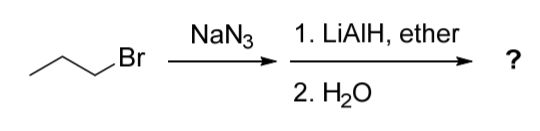
58. Mescaline is a hallucinogenic alkaloid isolated from peyote cactus. Synthesize mescaline from 3,4,5-trimethoxytoluene. Show all reagents toward the target compound. (A) 1) NBS; 2) NaCN; 3) LiAlH4 (B) 1) n-BuLi; 2) BrCH2NH2 (C) 1) Br2; 2) LiCH2CN (D) 1) light; 2) BrCH2NH2 (E) 1) NBS; 2) LiCH2NH2
59. Which set of reagents will best convert 2,2-dimethylpropan-1-ol to 4,4-dimethylpentan-2-ol? (A) 1) HCl, ZnCl2; 2) 2 eq. Mg; 3) CH2O; H3O (B) 1) SOCl2; 2) 2 eq. Mg; 3) MeCHO; H3O (C) 1) SOCl2; 2) 2eq. Mg; 3) CH2O; H3O (D) 1) HCl, ZnCl2; 2) 1 eq. Mg; 3) CH2O; H3O (E) 1) HCl; 2) 1 eq. Mg; 3) MeCHO; H3O
60. Compound A can make Br2/CCl4 become colorless. What is the structure of compound B? (A) (B) (C) (D) (E)
61. The reaction of Cl2 with a methyl radical has a positive ∆H°. Which of these drawings is the best representation of the transition state of this reaction? (A) (B) (C) (D) (E)
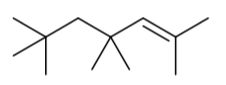
62. Which structure corresponds to the trimer of Me2C=CH2 formed under condition of cationic polymerization? (A) (B) (C) (D) (E)
63. Remove a proton from the following structure to create the most reactive (least stable) carbanion. (A) (B) (C) (D) (E)
64. The carbon marked by a dot (•) is 13C isotope. Which structure below shows the correct position of the 13C in the product for the carbocation rearrangement shown above? (A) (B) (C) (D) (E)
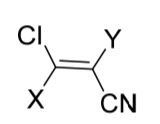
65. Choose substituents X and Y (listed in order below) for the following compound so as to make a Z isomer.(A)(B)(C)(D)(E)
67. This cyclic carbocation has two sets of degenerate pi-molecular orbitals. Choose the correct order MO, s energies for this system? (A) V = I < IV < III = II (B) V < IV = II < I = III (C) III = II < I = IV < V (D) III = IV < II < I = V (E) V < I = IV < II = III
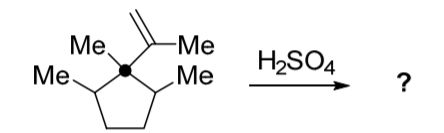
68. What product would be obtained for the following reaction? . (A) (B) (C) (D) (E)None of the above
69. When 1-methyl-1-cyclohexene is respectively treated with the following reagent set, which will give the same product? (A) II, V (B) III, IV (C) II, III, V (D) I, V (E) I, III
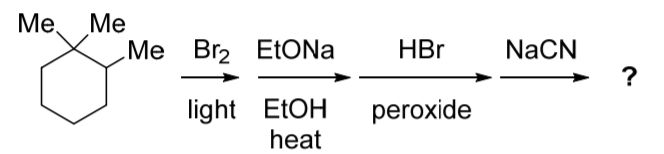
70. Predict the outcome of the following sequence of reactions. (A) (B) (C) (D) (E)
71. The following substrate is a starting material in the synthesis of compounds having opioid activity. Show all products that would result from the reaction below. (A) I, II, III (B) I, III, IV (C) I, III, V (D) II, III, IV (E) II, IV, V
72. Predict the structure of the hydrolysis product. (A) (B) (C) (D) (E)
73. In order to synthesize the final product shown below, predict when should a protecting group be added and when should it be removed? (A) The hydroxyl group should be protected before step I and removed after step I (B) The hydroxyl group should be protected before step I and removed after step II (C) The hydroxyl group should be protected before step I and removed after step III (D) The hydroxyl group should be protected before step II and removed after step III (E) There is no need for a protecting group in this synthesis.
74. Which of the following Diels-Alder reactions has the largest reaction rate constant? (A) (B) (C) (D) (E)
75. What is the product of this reaction? ?(A) (B) (C) (D) (E)
76. What is the major product obtained from the following reaction sequence? (A) (B) (C) (D) (E)
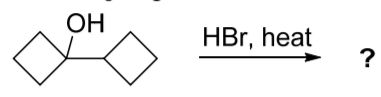
77. What is the major product of the following reaction? (A) (B) (C) (D) (E)
78. Which of the following reactions is called Gabriel synthesis? (A) (B) (C) (D) (E) None of the above.
79. What is the major product of the following triene to undergo the intramolecular Diels-Alder reaction? (A) (B) (C) (D) (E)
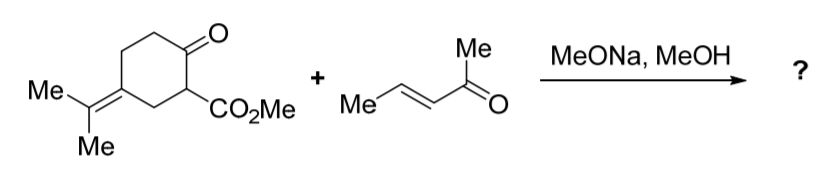
80. The following reaction involves an intramolecular Michael reaction followed by an intramolecular aldol reaction. What is the major product of this reaction? (A) (B) (C) (D) (E)
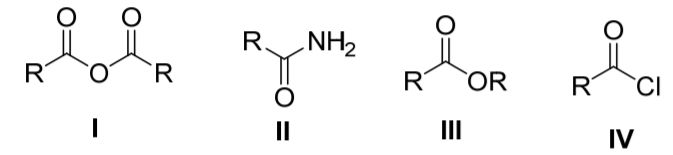 (A) I, III, II, IV (B) II, III, I, IV (C) III, II, I, IV (D) IV, I, III, II (E) IV, III, I, II
  阿摩線上測驗
登入
阿摩線上測驗
登入
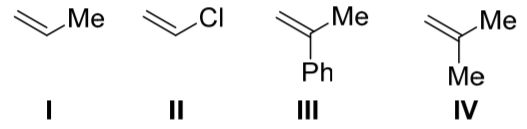 (A) III, IV, I, II (B) II, I, IV, III (C) I, II, IV, III (D) IV, III, I, II (E) I, II, III, IV
  (A) CH3(CH2)3C≡CCH2OH (B) CH3(CH2)3C≡CCHO (C) CH3(CH2)3C≡CH (D) CH3(CH2)3C≡CNMe2 (E) None of the above.
  (A) I, II (B) III, IV (C) I, V (D) II, V (E) IV, V
 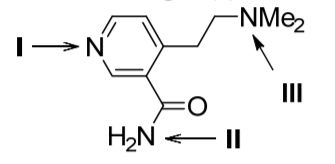 (A) I (B) II (C) III (D) I, II, and III are acidic (E) None of the above.
  (A) I > IV > III > II (B) I > III > IV > II (C) IV > II > I > III (D) II > I > IV > III (E) None of the above.
  (A) IV < I < II < III (B) III < II < I < IV (C) III < II < IV < I (D) IV < II < I < III (E) I < IV < II < III
 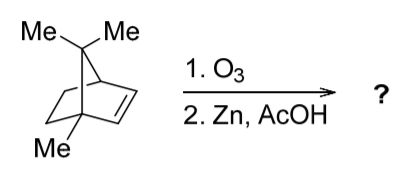 (A)
(A) 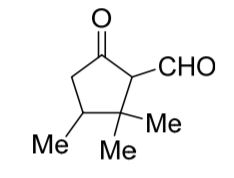 (B)
(B)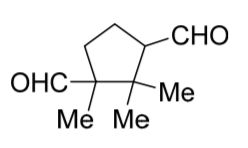 (C)
(C) 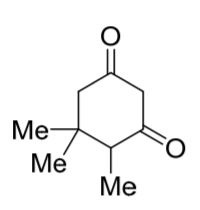 (D)
(D) 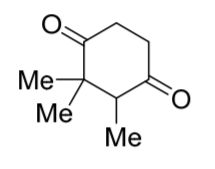 (E)
(E) 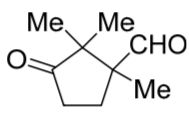
 (A) 1 (B) 2 (C) 3 (D) 4 (E) 5
 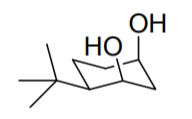 (B)
(B)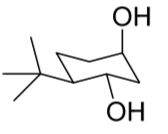 (C)
(C)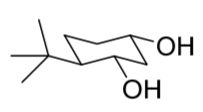 (D)
(D)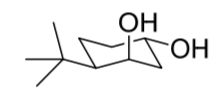 (E)
(E) 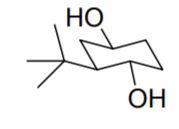
 (A) II, IV (B) I, III (C) I, II, III (D) I, II, V (E) I, III, V
 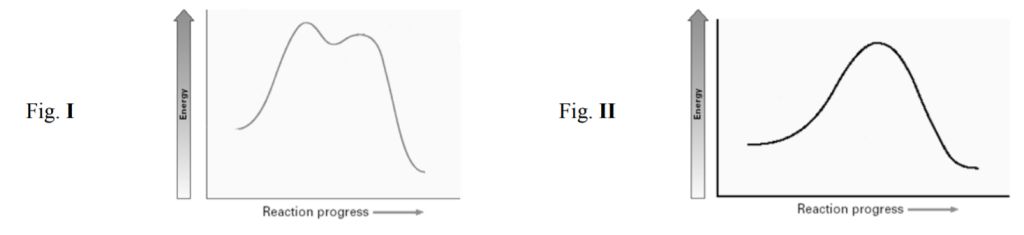 Which of the following is correct with respect to these diagrams? (A) Fig. I represents an SN2 reaction (B) Fig. II represents an SN1 reaction (C) Fig. II represents an SN2 reaction (D) Fig. I represents an SN1 reaction (E) Both {C} and {D}.
 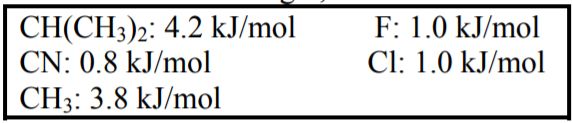 (A) Isopropylcyclohexane (B) Fluorocyclohexane (C) Cyclohexanecarbonitrile (D) cis-1-Chloro-2-methylcyclohexane (E) trans-1-Chloro-2-methylcyclohexane.
  (B) H2O (C) Me3N (D) BF3 (E)
  CN
CN 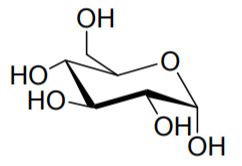 (B)
(B) 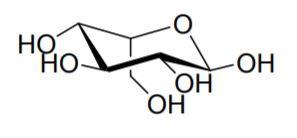 (C)
(C) 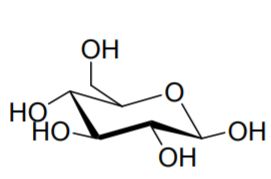 (D)
(D)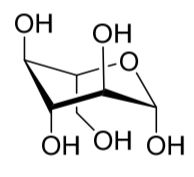 (E)
(E) 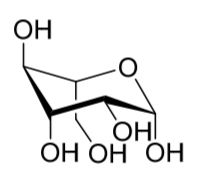
 (A) Isoleucine (B) Ile (C) I (D) All of these represent this amino acid (E) Either {A},{B}, or {C}represent this amino acid.
 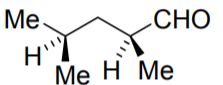 (A) (2S,4R)-Dimethylpentanal (B) (2S,4S)-Dimethylpentanal (C) (R)-2,4-Dimethylpentanal (D) (S)-2,4-Dimethylpentanal (E) (2R,4R)-Dimethlypentanal.
  (A) 1 (B) 2 (C) 3 (D) 4 (E) 5
 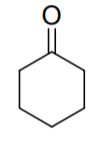 (B)
(B)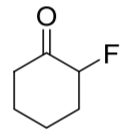 (C)
(C)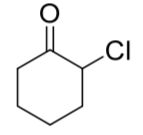 (D)
(D)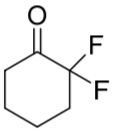 (E)
(E)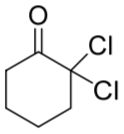
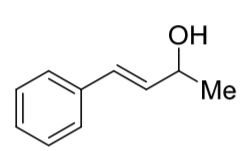 (B)
(B)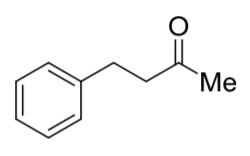 (C)
(C)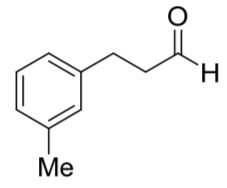 (D)
(D)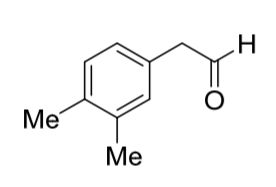 (E)
(E)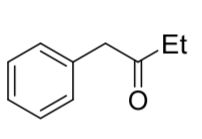
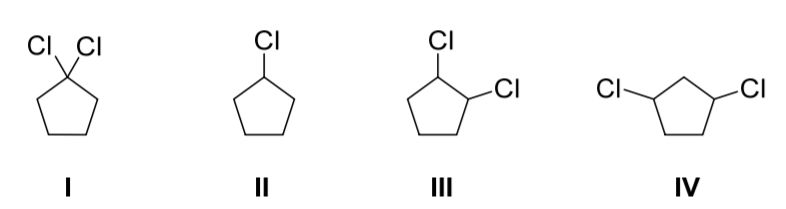 (A) I, II (B) III, IV (C) I, II, III (D) I, III, IV (E) I, II, III, IV
 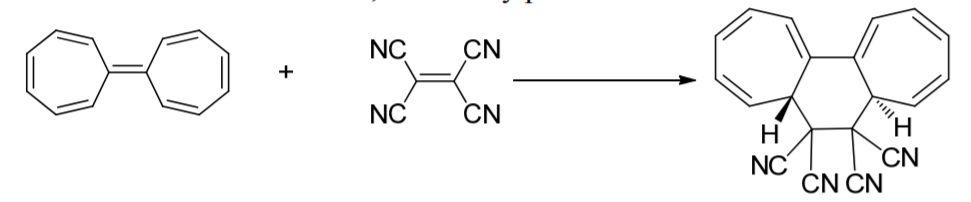 (A) 2 (B) 4 (C) 8 (D) 16 (E) 10
 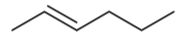 (B)
(B)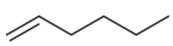 (C) An equimolar mixture of {A} and{B} (D) A mixture of the major product {A}with the minor product {B} (E) A mixture of the major product{B} with the minor product{A}.
 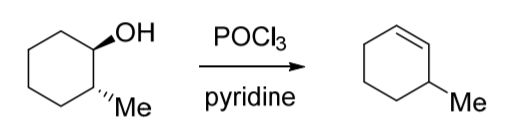 The dehydration of alcohol by reaction with POCl3 in pyridine is an example of: (A) E1 process (B) SN1 process (C) E2 process (D) SN2 process (E) None of above.
  (B)
(B)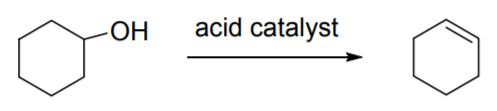 (C)
(C)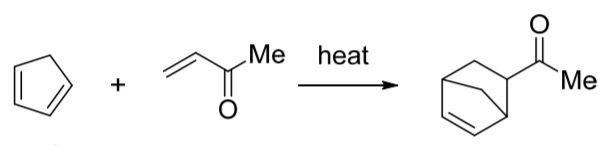 (D)
(D) (E)
(E)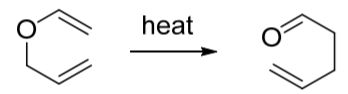
 (B)
(B)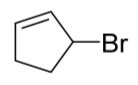 (C)
(C) 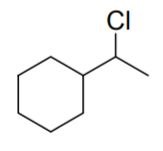 (D)
(D) 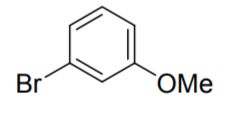 (E)
(E) 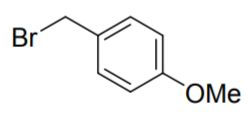
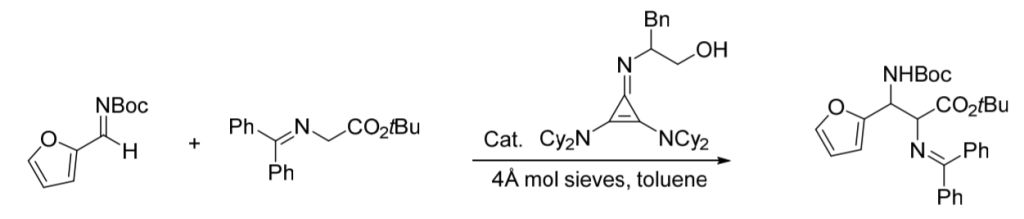 (A) Mannich reaction (B) McMurry reaction (C) Wolff-Kishner reaction (D) Dess-Martin reaction (E) Dieckmann reaction.
 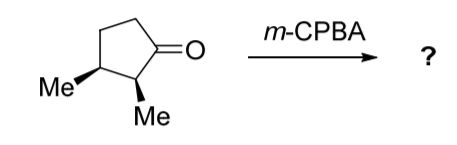 (A)
(A) 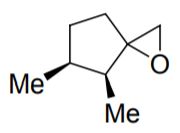 (B)
(B) 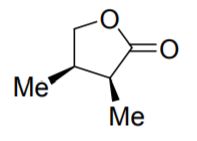 (C)
(C) 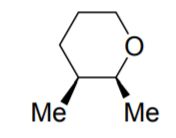 (D)
(D) 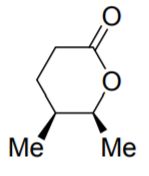 (E)
(E) 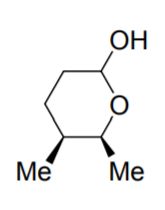
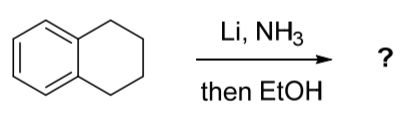 (A)
(A)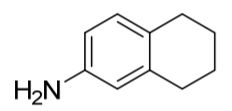 (B)
(B)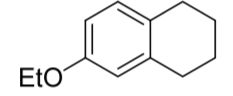 (C)
(C) 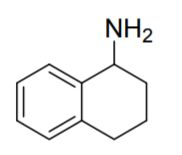 (D)
(D)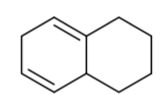 (E)
(E)
 (A)
(A)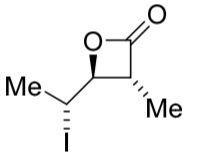 (B)
(B)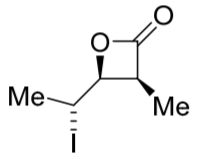 (C)
(C) 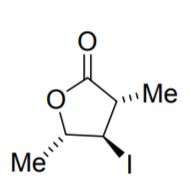 (D)
(D) 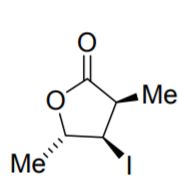 (E)
(E) 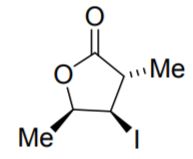
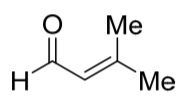 (B)
(B)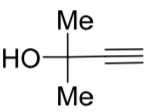 (C)
(C)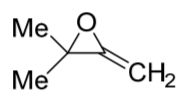 (D)
(D) 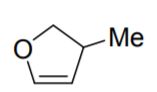 (E)
(E)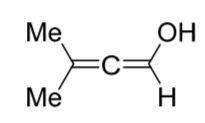
 (B)
(B)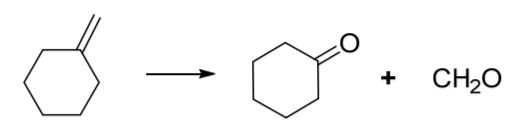 (C)
(C)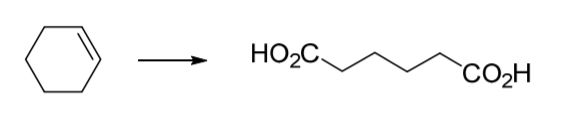 (D)
(D)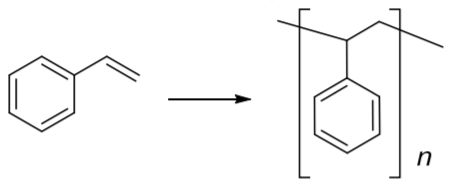 (E)
(E)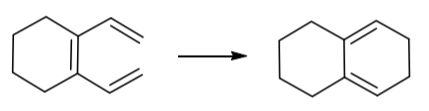
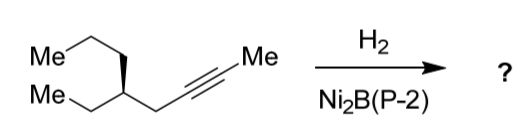 (A) (R, E) (B) (S, E) (C) (R, Z) (D) (S, Z) (E) only (S).
 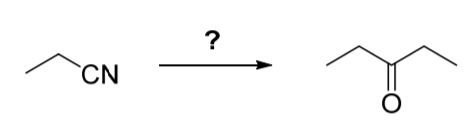 (A) 1) EtMgBr; 2) NaOH, H2O (B) 1) EtMgBr; 2) LiAlH4; 3) H3O
 (C) 1) EtMgBr; 2) H2O (D) 2) EtMgBr; 2) CO2; 3) H3O
 (E) 1) EtMgBr; 2) PCC
  (A)
(A)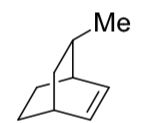 (B)
(B) 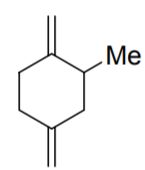 (C)
(C)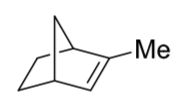 (D)
(D) 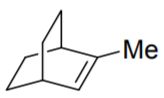 (E)
(E) 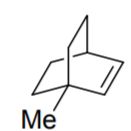
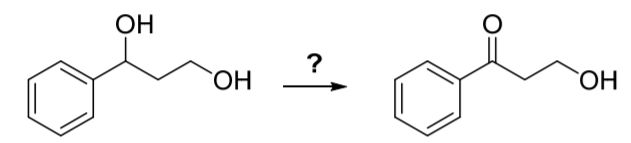 (A) PCC (B) Jones reagent (C) MnO2 (D) Ag2O (E) KMnO4
  (A)
(A)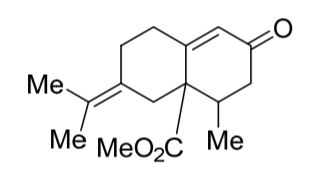 (B)
(B)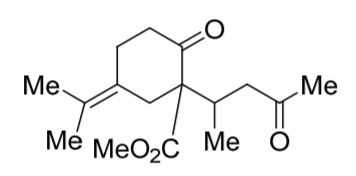 (C)
(C)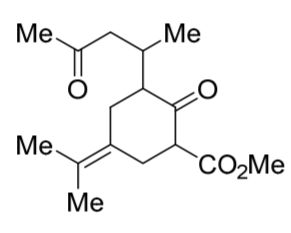 (D)
(D) 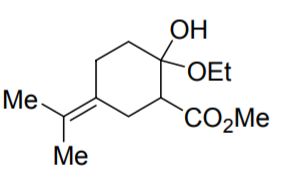 (E)
(E) 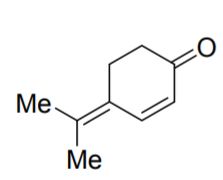
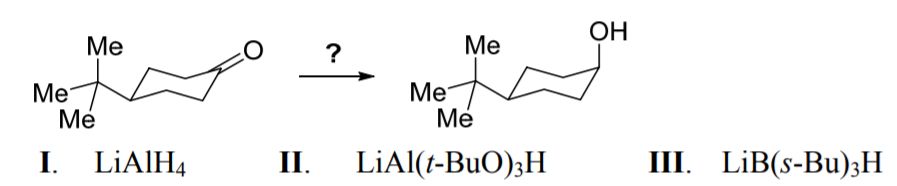 (A) I (B) II (C) III (D) I, II (E) II, III
 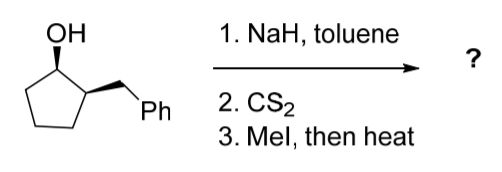 (A)
(A)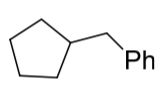 (B)
(B)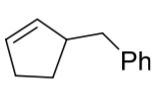 (C)
(C)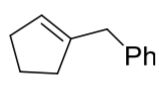 (D)
(D)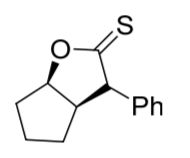 (E)
(E) 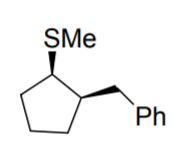
 (A)
(A)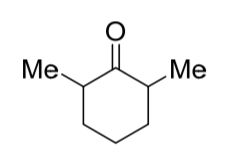 (B)
(B)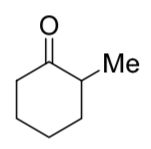 (C)
(C)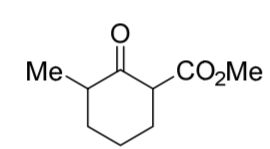 (D)
(D)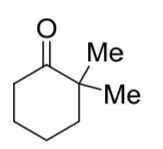 (E)
(E)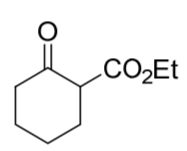
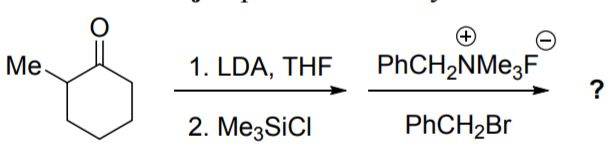 (A)
(A)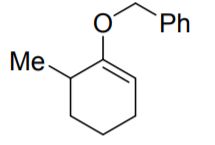 (B)
(B)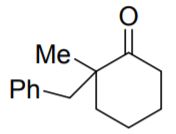 (C)
(C) 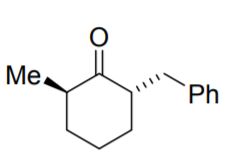 (D)
(D)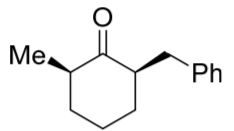 (E) None of the above.
  (A)
(A)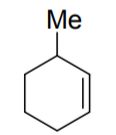 (B)
(B)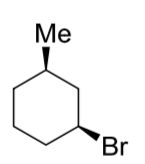 (C)
(C)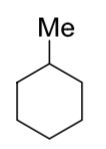 (D)
(D)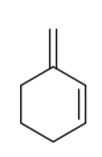 (E)
(E) 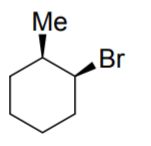
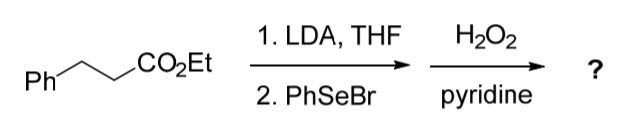 (A)
(A)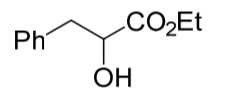 (B)
(B)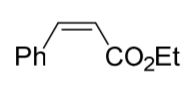 (C)
(C)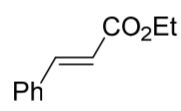 (D)
(D)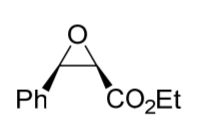 (E)
(E)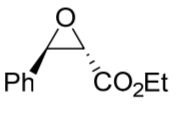
 (A)
(A)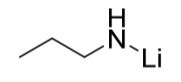 (B)
(B)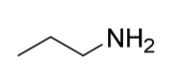 (C)
(C)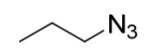 (D)
(D)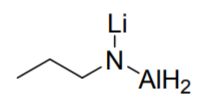 (E)
(E)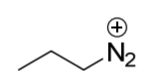
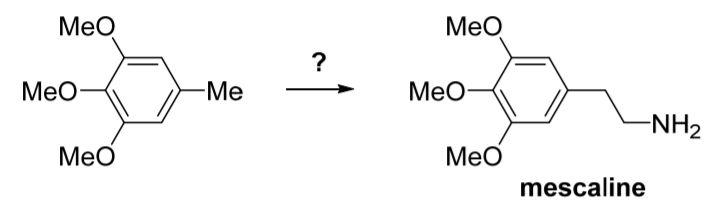 (A) 1) NBS; 2) NaCN; 3) LiAlH4 (B) 1) n-BuLi; 2) BrCH2NH2 (C) 1) Br2; 2) LiCH2CN (D) 1) light; 2) BrCH2NH2 (E) 1) NBS; 2) LiCH2NH2
  (B) 1) SOCl2; 2) 2 eq. Mg; 3) MeCHO; H3O
 (C) 1) SOCl2; 2) 2eq. Mg; 3) CH2O; H3O
 (D) 1) HCl, ZnCl2; 2) 1 eq. Mg; 3) CH2O; H3O
 (E) 1) HCl; 2) 1 eq. Mg; 3) MeCHO; H3O
 (A)
(A)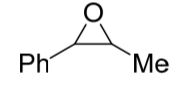 (B)
(B)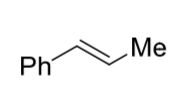 (C)
(C)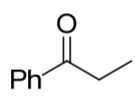 (D)
(D)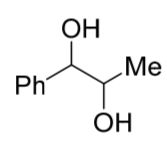 (E)
(E)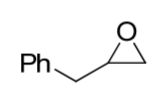
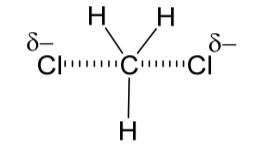 (B)
(B)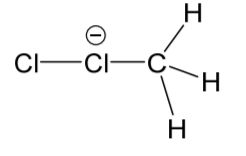 (C)
(C)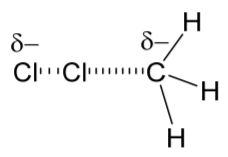 (D)
(D) 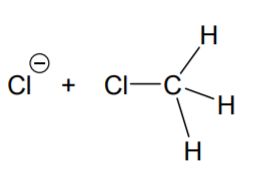 (E)
(E)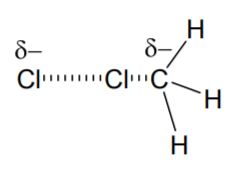
 (B)
(B)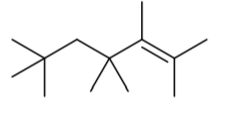 (C)
(C)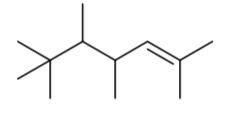 (D)
(D)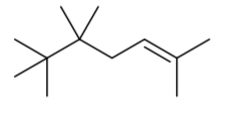 (E)
(E)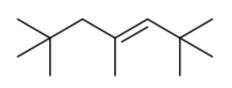
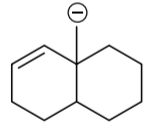 (B)
(B)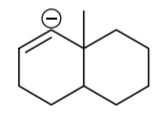 (C)
(C)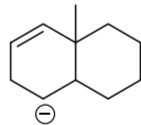 (D)
(D)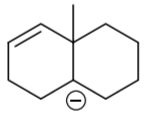 (E)
(E)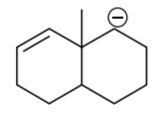
 (A)
(A) (B)
(B)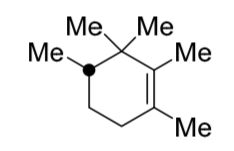 (C)
(C)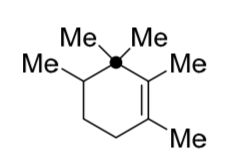 (D)
(D)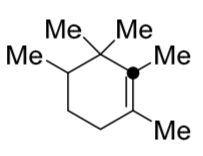 (E)
(E)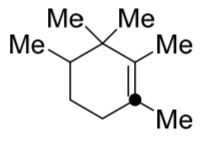
 (A)
(A)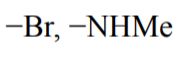 (B)
(B)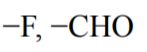 (C)
(C)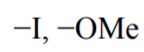 (D)
(D)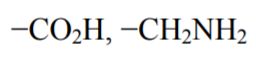 (E)
(E)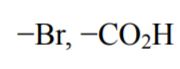
 (A) V = I < IV < III = II (B) V < IV = II < I = III (C) III = II < I = IV < V (D) III = IV < II < I = V (E) V < I = IV < II = III
  . (A)
. (A) 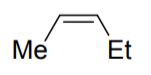 (B)
(B)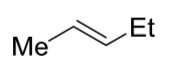 (C)
(C)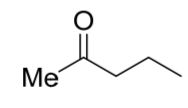 (D)
(D) 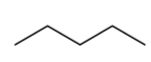 (E)None of the above
  (A) II, V (B) III, IV (C) II, III, V (D) I, V (E) I, III
 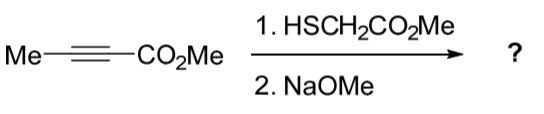 (A)
(A)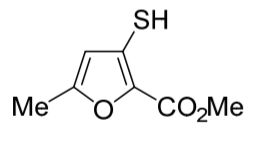 (B)
(B)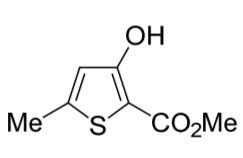 (C)
(C)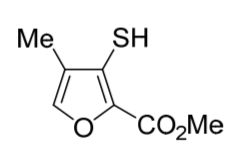 (D)
(D)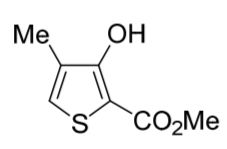 (E)
(E)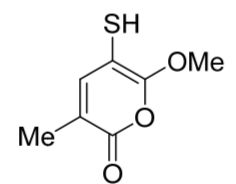
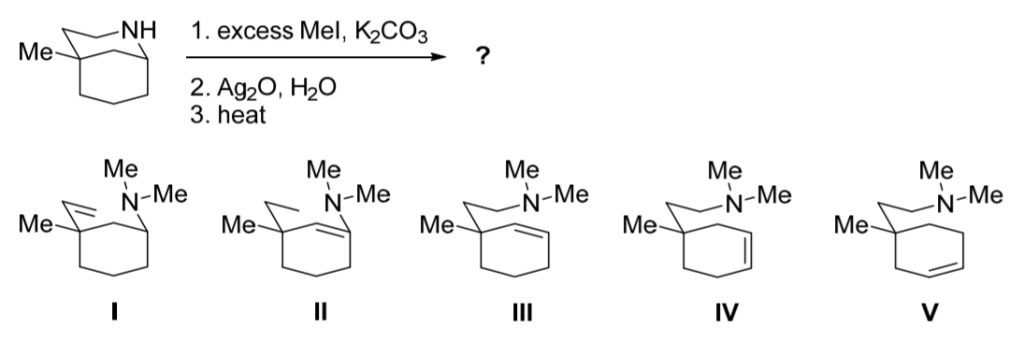 (A) I, II, III (B) I, III, IV (C) I, III, V (D) II, III, IV (E) II, IV, V
 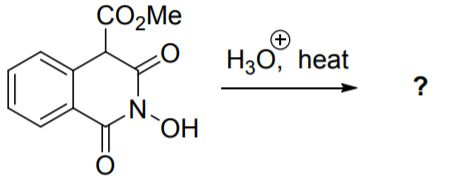 (A)
(A)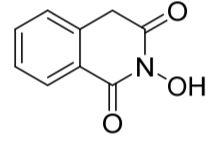 (B)
(B)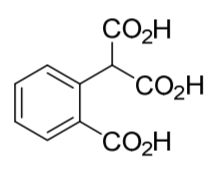 (C)
(C)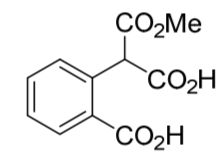 (D)
(D)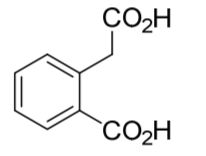 (E)
(E)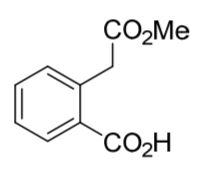
 (A) The hydroxyl group should be protected before step I and removed after step I (B) The hydroxyl group should be protected before step I and removed after step II (C) The hydroxyl group should be protected before step I and removed after step III (D) The hydroxyl group should be protected before step II and removed after step III (E) There is no need for a protecting group in this synthesis.
 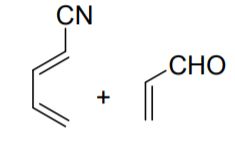 (B)
(B)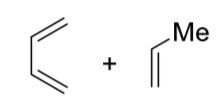 (C)
(C)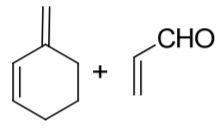 (D)
(D)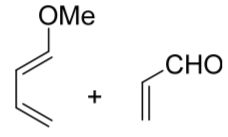 (E)
(E) 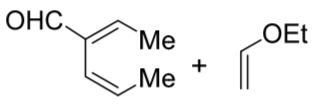
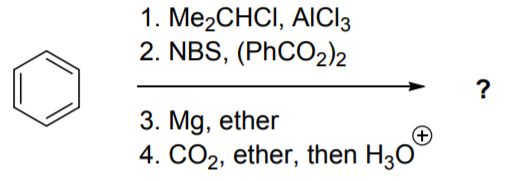 (A)
(A)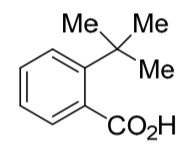 (B)
(B)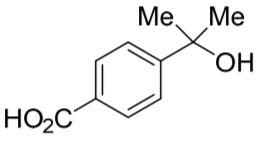 (C)
(C)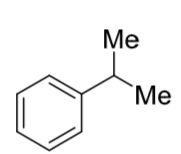 (D)
(D)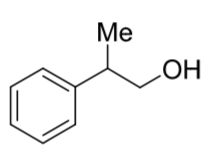 (E)
(E)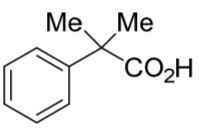
 (A)
(A)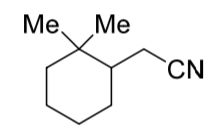 (B)
(B)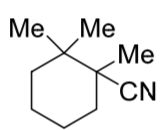 (C)
(C)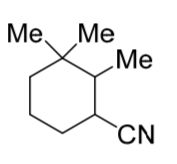 (D)
(D)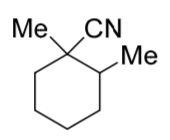 (E)
(E)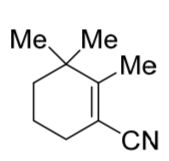
 (A)
(A)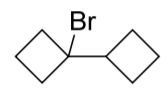 (B)
(B)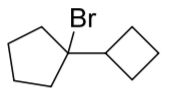 (C)
(C)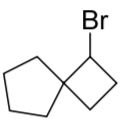 (D)
(D) 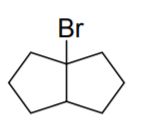 (E)
(E) 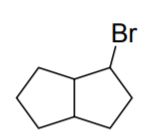
 (B)
(B) (C)
(C)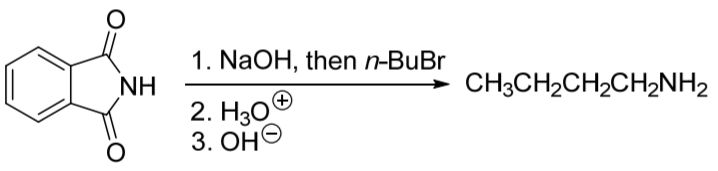 (D)
(D)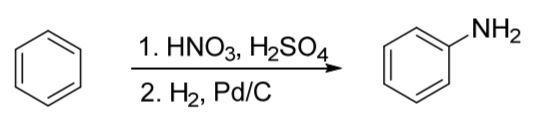 (E) None of the above.
 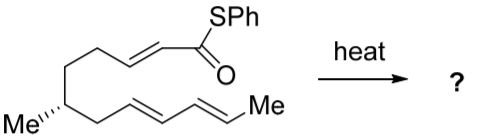 (A)
(A)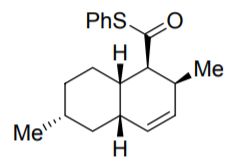 (B)
(B)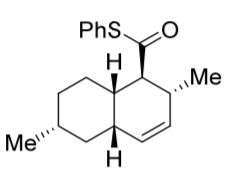 (C)
(C) 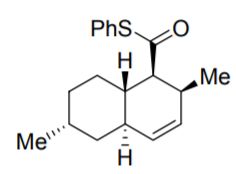 (D)
(D)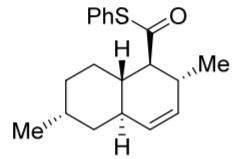 (E)
(E)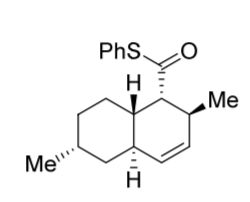
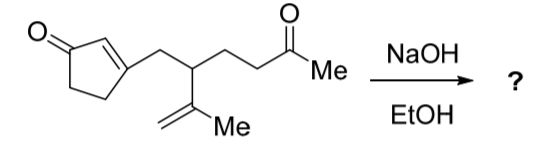 (A)
(A)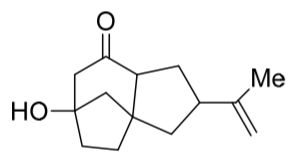 (B)
(B)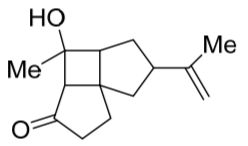 (C)
(C)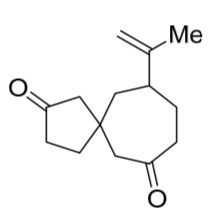 (D)
(D) (E)
(E)