 阿摩線上測驗
19.依據USP〈800〉,下列何者不屬於hazardous drugs之criteria?
(A)genotoxicity
(B)carcinogenicity, teratogenicity, or developmental toxicity
(C)reproductive toxicity in humans
(D)organ toxicity at high dose in humans or animals
統計: A(260), B(203), C(269), D(2130), E(0) #3281619
詳解 (共 9 筆)
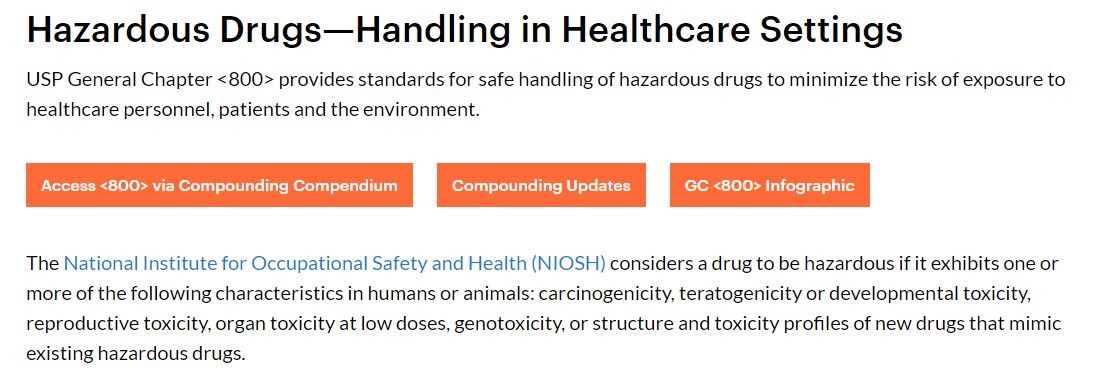
• Carcinogenicity, teratogenicity, or developmental toxicity
• Reproductive toxicity in humans
• Organ toxicity at low dose in humans or animals
• Genotoxicity or new drugs that mimic existing HDs in structure or toxicity






-
(D) organ toxicity at high dose... (高劑量下的器官毒性):【陷阱選項】
-
醫學與毒理學上有句名言:「萬物皆有毒,毒性在於劑量(The dose makes the poison)」。幾乎所有的藥物,只要給予**「高劑量(high dose)」**,都會對人類或動物的器官產生毒性。
-
因此,USP <800> 規定的真正標準是:**「在低劑量下(at low doses)」**就會產生器官毒性的藥物,才算是需要特別防護的危害性藥品。因為醫療人員在調劑或給藥時,接觸到的通常是微量的飛沫或粉塵,如果「低劑量」就會傷身,才構成職業暴露的危險。
-
? 國考必背:NIOSH / USP <800> 危害性藥品的 6 大判定標準
只要藥品符合以下任何一項特徵,就會被列為危害性藥品:
-
Carcinogenicity(致癌性):會引發癌症。
-
Teratogenicity or developmental toxicity(致畸胎性或發育毒性):會導致胎兒畸形或影響生長發育。
-
Reproductive toxicity in humans(人類生殖毒性):會影響生育能力(如導致不孕或流產)。
-
Organ toxicity at low doses in humans or animals(低劑量下對人類或動物具器官毒性):? 這就是選項 D 考的重點陷阱!
-
Genotoxicity(基因毒性):會破壞 DNA 造成突變。
-
New drugs that mimic existing hazardous drugs in structure or toxicity(與現有危害性藥品結構或毒性相似的新藥)。
解題小訣竅: 準備這類法規題時,看到「High dose (高劑量)」就要立刻警覺。危害性藥品之所以危險,就是因為我們怕在日常工作中**「微量/低劑量」**的長期接觸。抓準這個邏輯,這個常考陷阱就絕對騙不到你了!