阿摩線上測驗
登入
首頁
>
教甄◆英文科
>
111年 - 111 高雄市市立高級中等學校聯合教師甄選試題:英文科#108259
> 申論題
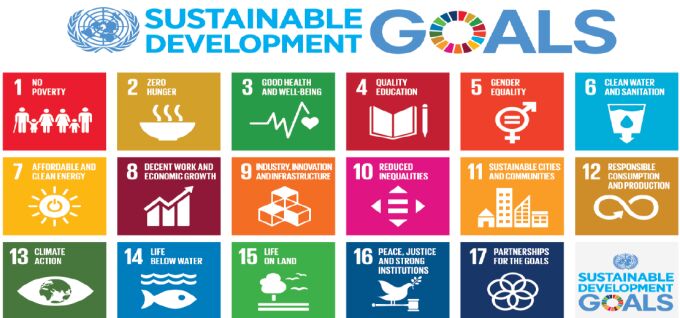
V. 微課程課程設計(25%) 以TED Talk作為微課程名稱,採SDGs議題融入方式進行,設計6週課程大綱,詳 列學習目標、每週課程主題、內容大綱、課程活動種類及成果要求方式。
相關申論題
II. Translation 我必須像個放逐的人,過一種近乎獨處的生活,我與社會的接觸僅限於滿 足一些完全是最基本的需要。我一旦接近其他人,就有一種強烈的恐懼感。我 深恐陷入一種危險,即人們可能發覺我的處境。最近我住在鄉下的半年,就是 這種狀態。當我身邊站著的人,聽到遠處長笛吹奏的樂聲,我卻甚麼也聽不見。 這對我是多大的羞辱啊。 —貝多芬
#464579
III.After reading the following article, please rewrite it into a 250~300 word passage, and design 5 multiple choice cloze questions for 12th graders. Answers to each question must be provided. (25%)Climate action, at the individual level, involves changing habits and routines by making choices that have less harmful effects on the environment. But thinking about how to combat climate change can be overwhelming. “How can I influence system-wide changes or influence big businesses?” you may ask yourself. One important industry where we can make an impact is fashion.In the past, the only conscious decision we made when choosing clothes was a sartorial one: Were our clothes flattering, trendy, expressive, or appropriate. It’s not likely that many pondered how much water it takes to make a cotton shirt – 2,700 liters – or to produce a single pair of jeans – 9,982 liters. But mindsets are changing as consumers and industry leaders become more informed.The apparel industry consumes more energy than the aviation and shipping industry combined, accounting for 10 per cent of the global carbon emissions. Chemicals from dyes make their way into the environment, polluting the air, water, and also harming marine life. The fashion industry:● Produces 20 per cent of wastewater● Is responsible for 8-10 per cent of the world’s greenhouse gas emissions● $500 billion of value is lost every year due to clothing underutilisation and lack of recyclingDespite the grim statistics, producers and consumers of fashion recognize that the industry needs to change. In the lead up to the Climate Action Summit on 23 September 2019, the fashion industry has recognized that it has a crucial role to play in contributing to the realization of the goals of the Paris Agreement. Previously, in December 2018, 43 major brands and suppliers signed the Fashion Industry Charter for Climate Action under the auspices of the United Nations. And the goal is simple: reaching net zero greenhouse gas emissions by 2050. Other initiatives in the industry are moving in the same direction. This goes hand-in-hand with consumers’ increased awareness of the choices and contributions they can make when we all decide to act now.With the aim of raising awareness and promoting lasting behavior change when it comes to our fashion choices, the United Nations has started rolling out the #ActNow Fashion Challenge on 6 August.The challenge is part of the ActNow Climate Campaign, which aims to educate and encourage individual behavioral change, mainly by adjusting consumption patterns. ActNow invites people around the world to step up their climate actions and join the movement to build a better future for all.The ActNow fashion challenge invites people around the world to make their individual contributions to zero-waste fashion. The challenge is to share each zero-waste fashion action on social media using #ActNow and log it on un.org/actnow.Need some ideas to get started? Here are some every day zero-waste fashion actionsyou can take:● Curb your consumption. Consider whether you really need another pair of jeans, a new T-shirt or a pair of sandals. Also, prior to purchasing, ask yourself if you’ll wear it a minimum of 30 times. If the answer is no, then forget about it and move on with a lighter heart—and carbon footprint.● What’s old is new again. Shop in vintage or thrift shops, in fact, urban areas generally have a wide range of choices. Otherwise, you can shop online.● Reduce water waste. Wash clothes less frequently. Often, we tend to wear something once and wash it whether it’s clean or not. If you’ve had a spill on your clothing, try spot-cleaning.● Spread the love. Donate your unwanted clothes to charity organizations or take them to consignment shops.● Skip the landfill. Many retailers offer recycling programs. Some will even purchase, refurbish, and resell gently worn garments.● Upcycle for a new look. Rework the fabric from old clothes into somethingnew, e.g., a pillow case, quilt, or doll clothes.● Share your #ActNow story on social media. The world needs to know you’refighting the good fight.And finally, share your good environmental habits with your family, friends and colleagues. Don’t forget to log your zero-waste fashion actions in the ActNow bot.--Adopted from un.org
#464580
IV. Essay Question Because of COVID-19 pandemic, on-line learning and teaching has almost been a norm nowadays. In your opinion, what are the pros and cons of on-line learning and teaching? How can teachers help students benefit the most from on-line learning? Meanwhile, other than written tests in regular class, what are the suggested assessments to evaluate student’s learning outcome in on-line courses? (25%)
#464581
V. Please read the following article which presents both advantages and limitations of virtual travel. Do you think it is an effective way to balance exploration and conservation? Write an essay of about 200 words, expressing your opinions and reflections. Support your ideas with specific reasons, examples, or personal experience. Can Virtual Travel Replace In-person Tourism? Travel has long been valued as a way to discover new places, encounter different cultures, and experience the beauty of nature. Yet modern tourism also creates serious problems. In many populardestinations, large numbers of visitors put pressure on local communities, damage natural habitats,and contribute to pollution. As a result, people have started to ask whether there are more responsibleways to make exploration accessible without exploitation. One possible answer is virtual travel. With the help of digital technology, live-streaming devices, or remotely operated cameras, people can observe distant places without physically goingthere. Supporters believe this method may reduce the harmful effects of overtourism while still allowing people to learn about natural environments and cultural sites. It may also give access tothose who cannot travel casily because of age, cost, time, or physical condition. In addition, virtual travel may serve educational purposes. Students can use it to study geography, wildlife, or environmental issues in a more direct and engaging fashion. Some also arguethat such experiences can inspire people to care more about conservation by helping them see fragile places without disturbing them. However, not everyone is convinced that virtual travel through a screen is a satisfying substitute for in-person tourism. Using a phone, flying a drone, and watching a destination is very differentfrom actually being there, interacting with local people, and experiencing the atmosphere first-hand. Critics also point out that travel is not only about seeing; it is also about human connection, culturalunderstanding, and personal growth. These are difficult to reproduce through technology alone. For this reason, virtual travel may be best seen not as a permanent replacement for traditional travel, but as an alternative approach to exploring the world. Whether it can truly balance explorationand conservation remains open to debate.
#565284
(2) Mock GSAT Composition Question (仿學測作文題目) Create one GSAT-style writing prompt based on the structure or content ofthe selected text in Chinese. Then explain, in English, how your prompt relates to the text.
#565283
(1) Lesson Plan Provide a lesson plan that specifies your teaching objectives, tasks, materials, and assessments.
#565282
II. Please design five reading comprehensive questions based on the passage aligned with the format of the GSAT questions. The questions should test various reading skills, with the firsttwo focusing on identifying the main idea and making inferences. At least three different question types must be included (e.g., multiple-choice, matching, sequencing, fill-in-the-blanks,completion of tables/charts/graphic organizers, or short-answer questions). Please provide an answer key. Recent studies suggest that GLP-1 drugs, originally designed for diabetes and weight loss, mayoffer a groundbreaking approach to treating addiction. A comprehensive study reveals that thesemedications could reduce the risk of developing substance use disorders and minimize the severe consequences of addictive behaviors. The research team, led by Dr. Ziyad Al-Aly, analyzed health records from over 600,000 patients. They compared GLP-1 users with those taking SGLT2 inhibitors. Unlike SGLT2 drugs, whichprimarily affect the kidneys to remove excess sugar, GLP-1 medications target the mesolimbic system in the brain. This region governs reward signals that reinforce cravings for food, alcohol,nicotine, and opioids. By suppressing these signals, GLP-1 drugs effectively "quiet" the brain's desire for addictive substances by suppressing the "food noise" or craving signals that lead todependency. The results were significant. Compared to people prescribed an SGLT2 inhibitor, participants taking GLP-1 drugs showed a 14% to 25% lower risk of developing new addictions. For thosealready struggling with substance abuse, the drugs were associated with a 39% reduction in overdoses and a 50% decrease in drug-related deaths. "There is no precedent in our medical toolkitfor a single medicine that works across such a wide range of addictive substances," Al-Aly noted. Despite these promising findings, experts remain cautious about the long-term implications. One major concern is the "rebound effect." Similar to weight loss patients regaining weight afterstopping the medication, addiction cravings might return "with a vengeance" once the drug is discontinued. Furthermore, it remains unclear whether the brain will develop a tolerance to the treatment over time. Scientists still need to determine the ideal dose and duration required to maintain these benefits safely. While Dr. Al-Aly says that if people qualify for the drugs because they have diabetes or are overweight or obese, and they also want to quit smoking, stop drinking, or control their opioiddependence, then the GLP-1 medications could help. Further research is needed to resolve these uncertainties before GLP-1 can be officially established as a new class of anti-addiction medication. Adapted from: https://time.com/7382492/weight-loss-drugs-prevent-treat-addiction-study/
#565281
I. Please merge the two texts and rewrite them into a short essay of approximately 300 words. Design a 10-option Banked Cloze Test with a difficulty level suitable for 12th-grade studentsat Kaohsiung Girls' Senior High School. Answers must be provided. Passage A: As our daily existence increasingly migrates to the cloud, the management of our digital legacy has surfaced as a painful social dilemma. For grieving families, access to a deceased loved one's socialmedia and cloud storage is far more than a matter of curiosity; it is a vital component of the healing process. In the past, memories were preserved in physical photo albums or handwritten letters. Today,these precious records are locked behind rigid security protocols, leaving families emotionally stranded. Advocates for "digital inheritance" laws argue that these assets should be legally recognized as personal property, passing automatically to the next of kin. Without such protections, technologycompanies act as unintended gatekeepers, often deleting years of family history due to "inactivity."Furthermore, many individuals now store crucial information-ranging from final letters to financialdetails--exclusively in digital formats. To deny family access is to ignore the reality of how one lives and loves in the 21st century. The emotional and practical value of these records demands a radicalshift in the legal definitions of ownership, ensuring that a person's legacy does not expire the moment their heart stops beating. Passage B: The debate over the digital afterlife rests on a fundamental philosophical question: should our online presence be treated as transferable property or as a private, lifelong extension of our personality?While the emotional plea of grieving families is moving, technology companies face a conflicting duty: the absolute preservation of user privacy. A digital account is not merely a modern photo album; it isa vast archive of private interactions, many of which the user may have intended to keep confidential,even from relatives. Granting third-party access even to legal heirs-would set a dangerous precedent that undermines the privacy of encrypted data. Tech firms argue that opening a deceased person's messagescould unintentionally expose the sensitive data of other living individuals who communicated with that user under the assumption of privacy. This would constitute a betrayal of trust. Instead of intrusive laws, the focus should remain on "proactive management." Many platforms now offer tools like "legacy contacts," empowering users to decide the fate of their data long before they pass away. Byutilizing these features, users can exercise their human agency, deciding what to share and what to take to the grave, which effectively protects the privacy of the deceased and their contacts over theemotional comfort of the living.
#565280
4.Assessment and Learning Evidence Briefly describe how students’ learning would be assessed. Include both English language performance and social-emotional development (such as participation, reflection, or collaboration). Explain how assessment supports learning rather than merely measuring outcomes. *Your response should demonstrate clear curriculum design thinking, awareness of student developmental needs, and practical classroom considerations appropriate for Cheng De Senior High School.
#565200
3.Learning Activities and Classroom Practices Provide examples of English learning activities that integrate SEL. These activities should be appropriate for Grade 10 students and may include discussion, reflection, group work, project-based learning, or real-life scenarios. Explain how these activities promote both language use and social-emotional growth.
#565199
相關試卷
115年 - 115 高雄市立高雄女子高級中學_教師甄試試題︰英文科#138068
115年 · #138068
115年 - 115 新竹市立成德高級中學_正式教師甄選:英文科#138034
115年 · #138034
115年 - 115-1 臺中市臺中第一高級中學_教師甄選試題:英文科#137879
115年 · #137879
115年 - 115-1 國立陽明交大附中_教師甄選試題:英文科#137722
115年 · #137722
114年 - 114 高雄市立高雄女子高級中學_教師甄試試題:英文#137729
114年 · #137729
114年 - 114-2 國立屏科實驗高級中等學校_專任教師甄選國中部教師初試試題:英文科#137728
114年 · #137728
114年 - 114-1 國立基隆高級中學_教師甄選試題:英文科#137695
114年 · #137695
114年 - 114 文藻外語大學_國小教師教育學程新生甄選試題:英文#130723
114年 · #130723
114年 - 114 高雄市市立國民中學教師聯合甄選:英語#129012
114年 · #129012
114年 - 114-2 新竹市國民中學教師聯合甄選初試試題:英文科#128195
114年 · #128195