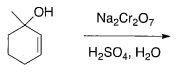
所屬科目:研究所、轉學考(插大)-有機化學
4. Are the compounds shown below best described as? (A) Cis-trans isomers (B) Constitutional isomers (C) Not isomers (D) Geometrical isomers (E) None of the above.
6. Which of the following configurations corresponds to the structure below? (A) (4E,52) (B) (4S, 5R) (C) (4S, 5S) (D) (4R, 5S) (E) (4R, 5R).
7. Which of the following compounds is meso? (A)(B)(C)(D)(E)
9. For same or similar molecular weight of following compounds, which one has the highest boiling point? (A) acids (B) alcohols (C) esters (D) (E) nitriles.
11. Which of the following compounds are chiral?
(A) I only (B) II and III (C) III and IV (D) V only (E) I and IV.
15. Which of the following statements about Lucas test is correct? (A) The reagent composed of HCl and Znl2 (B) Tertiary alcohols react faster than primary alcohol (C) Primary alcohols react by the mechanism (D) Primary alcohols react faster than tertiary alcohols. (E) Tertiary alcobols react by the mechanism.
17. Arrange the following compounds in order of increasing acidity (i.e., least acidic first). (A) III, I, II, V, IV (B) I, II, III, IV, V (C) V, IV, III, II, I (D) V, IV, II, I. III (E) I, IV, II, III, V
18. Which of the following compound(s) would be expected to show a sharp and strong IR absorption peak at ?
(I) CH3C= CCH3, (II) butane, (III) but-1-ene, (TV) CH3CH2C = CH, (V) butan-1-01
(A) I and III (B) III only (C) IV only (D) IV and v (E) I, IV, and V.
21. Please identify the product that is obtained when (R)-2-bromobutane reacts with a hydroxide ion. (A)(B)(C)(D)(E)
22. Please identify the major E2 elimination product of the following compound. t-Bu (A)(B)(C)(D)(E)
23. Which of the following compounds is less reactive toward an E2 process? And if it reacts, what is the structure of its E2 product? (A) neomenthyl chloride; (B) neomenthyl chloride; (C) menthyl chloride; (D) menthyl chloride; (E) Both compounds cannot undergo an E2 reaction.
25. The following reaction produces one major product via an iodolactonization. Sodium bicarbonat acts as a mild base to deprotonate the carboxylic acid group. Identify the major product of this reaction. (A)(B)(C)(D)(E)
26. Identify the major product of the following reaction. (A)(B)(C)(D)(E)
27. Indicate the side product of the following transformation. (A) CO (B) CO2 -OH (C)CO2 (D) CH OH (E) H2O
29. Identify the major product of the following reaction. (A)(B)(C)(D)(E)
30. Identify the major product of the following reaction. (A)(B)(C)(D)(E)
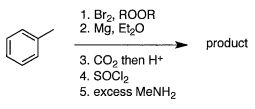
31. What is the final product of this sequence of reactions? (A)(B)(C)(D)(E)
32. Which compound reacts most rapidly with CH3ONa? (A) (B) (C) (D)(E)
33. Identify the major product of the following reaction. (A) (B)(C) (D)(E)
34. What is the final product of the following reaction sequence? (A)(B)(C)(D)(E)
35. What is the final product of this sequence of reactions? (A)(B)(C)(D)(E)
36. Identify the product of the Dieckmann condensation of the diester. (A) (B) (C) (D) (E)
37. Identify the major product of the following reaction. (A) (B) (C)(D) (E)
38. Identify a reagent that you could use to achieve the following transformation. reagent? (A) MnO2 (B) RCO3H (C) H2O (D) KOH (E) Pd(OAc)2
39. Identify the major product of the following reaction. (A)(B)(C)(D)(E)
40. Identify reagent(s) that you could use most effectively to achieve the transformation. reagent? t (A) K2CO3 (B) LDA (C) pyridine (D) CH3Li (E) CH3OTs
44. Which of the following compounds would give a positive Tollen test? Remember that the Tollen test involves mild basic aqueous conditions. (A)(B)(C)(D)(E)
45. Which of the following molecules are aromatic compounds? (A)(B)(C)(D)(E)
46. Which of the following reactions will give a ketone as a major product? (A)(B)(C)(D)(E)
49. Which of these reactions will give a phenol as a major product? (A) (B) (C) (D) (E)
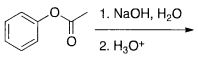
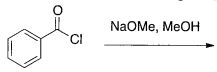
50. Which of these reactions will give a carboxylic acid as a major product? (A) (B) (C) (D) (E)
 阿摩線上測驗
登入
阿摩線上測驗
登入
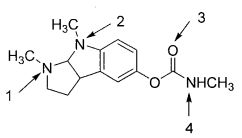 (A) 1 (most basic), 4 (least basic) (B) 1 (most basic), 3 (least basic) (C) 2 (most basic), 4 (least basic) (D) 2 (most basic), 3 (least basic) (E) None of the above.
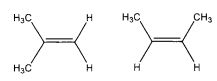 (A) Cis-trans isomers (B) Constitutional isomers (C) Not isomers (D) Geometrical isomers (E) None of the above.
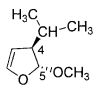 (A) (4E,52) (B) (4S, 5R) (C) (4S, 5S) (D) (4R, 5S) (E) (4R, 5R).
 (B)
(B) (C)
(C) (D)
(D)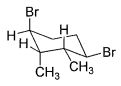 (E)
(E)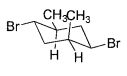
 (E) nitriles.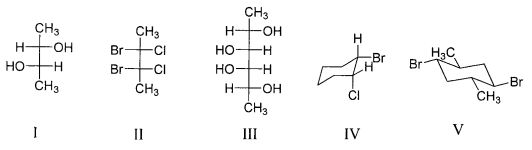
 mechanism (D) Primary alcohols react faster than tertiary alcohols. (E) Tertiary alcobols react by the
  mechanism.
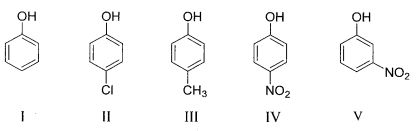 (A) III, I, II, V, IV (B) I, II, III, IV, V (C) V, IV, III, II, I (D) V, IV, II, I. III (E) I, IV, II, III, V
 ?
? product that is obtained when (R)-2-bromobutane reacts with a hydroxide ion. (A)
 (B)
(B) (C)
(C) (D)
(D) (E)
(E)
 (A)
(A) (B)
(B) (C)
(C) (D)
(D) (E)
(E)
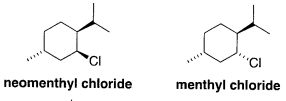 (A) neomenthyl chloride;
 (B) neomenthyl chloride;
 (C) menthyl chloride;
 (D) menthyl chloride;
 (E) Both compounds cannot undergo an E2 reaction.
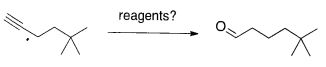 (A) Na, NH3; H2O (B) NaNH2;H2O (C) F3CCO2H (D) O3; H2O(E) disiamylborane; H2O2, NaOH
 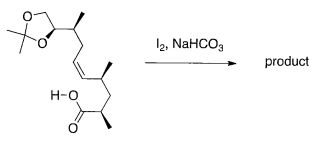 (A)
(A)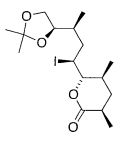 (B)
(B)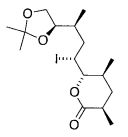 (C)
(C)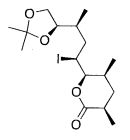 (D)
(D)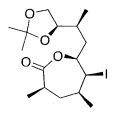 (E)
(E)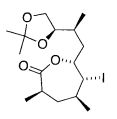
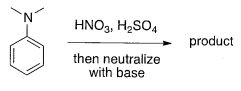 (A)
(A) (B)
(B) (C)
(C) (D)
(D) (E)
(E)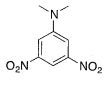
 (A) CO (B) CO2 -OH (C)CO2 (D) CH OH (E) H2O
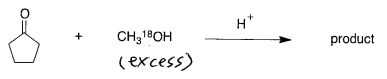 (A)
(A) (B)
(B)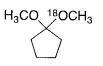 (C)
(C)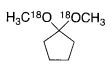 (D)
(D) (E)
(E)
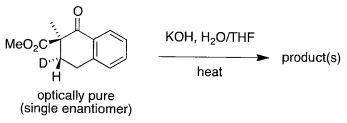 (A)
(A)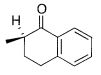 (B)
(B) (C)
(C)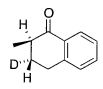 (D)
(D)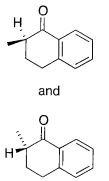 (E)
(E)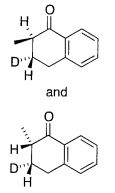
 (A)
(A)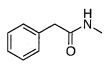 (B)
(B)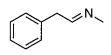 (C)
(C) (D)
(D)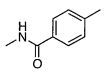 (E)
(E)
 (B)
(B)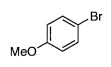 (C)
(C) 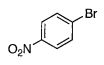 (D)
(D) (E)
(E)
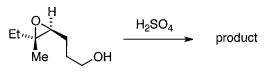 (A)
(A) (B)
(B) (C)
(C)  (D)
(D) (E)
(E)
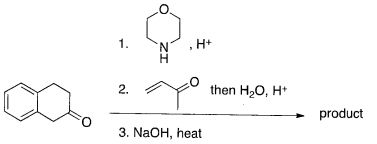 (A)
(A)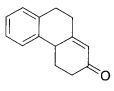 (B)
(B)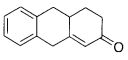 (C)
(C)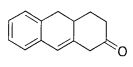 (D)
(D)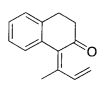 (E)
(E)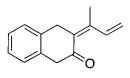
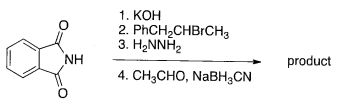 (A)
(A)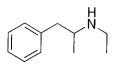 (B)
(B) (C)
(C)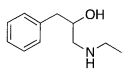 (D)
(D)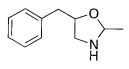 (E)
(E)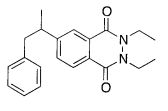
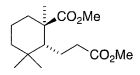 (A)
(A)  (B)
(B)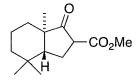 (C)
(C) 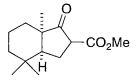 (D)
(D) 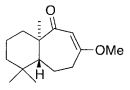 (E)
(E) 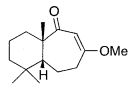
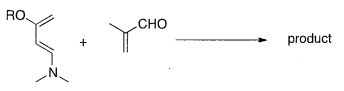 (A)
(A)  (B)
(B) 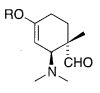 (C)
(C)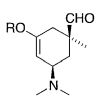 (D)
(D)  (E)
(E)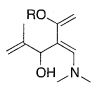
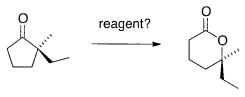 (A) MnO2 (B) RCO3H (C) H2O (D) KOH (E) Pd(OAc)2
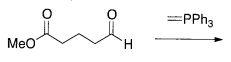 (A)
(A) (B)
(B)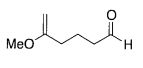 (C)
(C)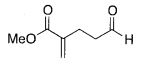 (D)
(D)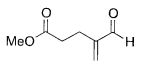 (E)
(E)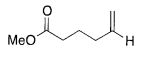
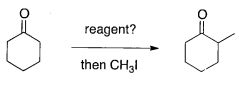 (A) K2CO3 (B) LDA (C) pyridine (D) CH3Li (E) CH3OTs
  (B)
(B) (C)
(C)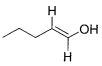 (D)
(D) (E)
(E)
 (B)
(B) (C)
(C) (D)
(D) (E)
(E)
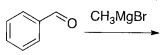 (B)
(B)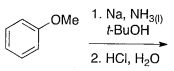 (C)
(C)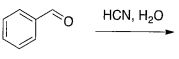 (D)
(D)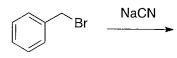 (E)
(E)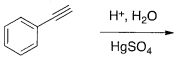
 (B)
(B)  (C)
(C)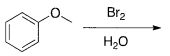 (D)
(D)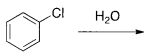 (E)
(E)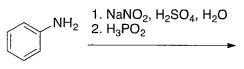
 (B)
(B)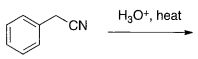 (C)
(C)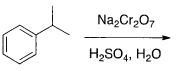 (D)
(D)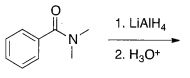 (E)
(E)