 阿摩線上測驗
55 當病人用左腳單腳站立時,身體可以保持平衡(如圖 1),但用右腳單腳站立時出現 Trendelenburg
sign (+)(如圖 2),請問其病灶最可能是下列何者?
(A) 左側臀大肌無力
(B)左側臀中肌無力
(C)右側臀大肌無力
(D)右側臀中肌無力 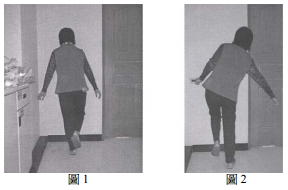
統計: A(3), B(3), C(1), D(23), E(0) #1097104
詳解 (共 1 筆)

以其患肢站立,反而健側骨盆下降(身體往患側偏,骨盆往非患側下降)
https://doctor.get.com.tw/detail.aspx?no=403547
一、初步診斷:右側臀中肌無力
二、Trendelenburg sign陽性:多見於臀上神經損傷(superior gluteal nerve damage)引起髖關節外展肌--臀中肌與臀小肌麻痹(paralysis of abductor muscles of the hip: the gluteus medius and minimus muscles);此外,髖關節脫位、陳舊性股骨頸骨折、先天性髖關節脫位也可陽性。
臀中肌與臀小肌(gluteus medius and minimus m.)兩塊肌肉是我們走路站立時保持良好姿勢的重要肌肉,起於髂骨翼外面,止於股骨大轉子。是髖關節外展肌,並參與外旋及伸髖關節動作。在站立時,此二肌可穩定骨盆,從而穩定軀幹;在走路時,保持軀幹直立,髖相對固定,在提腿跨步時由臀中肌和臀小肌收縮將骨盆抬高(The gluteus medius is very important during the stance phase of the gait cycle to maintain both hips at the same level);單腳站立時,臀中肌和臀小肌收縮,將對側骨盆抬起,身體的重量會轉移到站立腳上,以便將重心轉移,才能保持身體平衡(Normally, the body shifts the weight to the stance leg, allowing the shift of the center of gravity and consequently stabilizing or balancing the body)。當某患者,以其患肢站立,因臀中肌和臀小肌鬆弛,當想要健側屈髖屈膝上提時,身體無法將重心轉移到站立腳上,反而健側骨盆下降,此為特倫德倫堡Trendelenburg sign陽性(when standing on one leg, the pelvis drops on the side opposite to the stance leg.The weakness is present on the side of the stance leg)。
https://app.yamol.tw/item/1944657
只要單側臀中肌無力並且行走時就叫做"Trendelenburg sign"
患側腳站立時因為患側臀中肌無力患側骨盆往上
導致非患側骨盆下降
軀幹為了要平衡身體重心會往患側擺
簡易版
身體往患側偏
骨盆往非患側下降
前提是! 患側站立期時