 阿摩線上測驗
題組內容
III. Course Design
One of the aims of international education is to cultivate global citizenship, which includes understanding a country's place and characteristics in the world, thereby helping build self-esteem and confidence in one’s nation and culture. In addition, this goal also emphasizes strengthening international mobility through the development of foreign language skills, critical thinking and 3 inquiry abilities, the ability to gather and apply technological information, and cross-cultural communication.
Please make use of the first article as an inspiration to design a 18-week project-based English course that fosters students' global citizenship, with a focus on speaking and listening skills. The goal of the course is to help students improve their English language skills while deepening their understanding of Taiwanese cultural practices (e.g., placing “Kuai Kuai” snacks on machines, traditional rituals such as “soul-calling” or setting off firecrackers, seasonal health foods, etc.). Students will generate their own topic related to Taiwanese cultural practices and present them in English.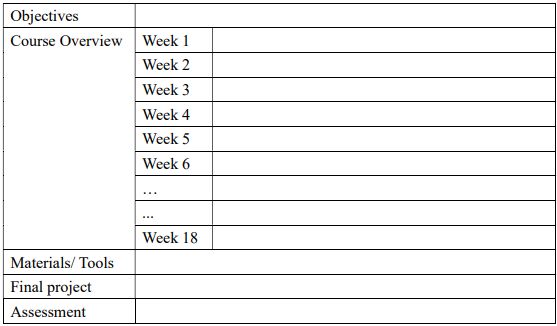
(2) Write a 250-word explanation of how you will use AI/technology tools to support learning and briefly share your past experiences of using them in your course.
申論題作答 (共 1 筆)

詳解 (共 1 筆)

---
Answer (Approx. 250 words):
To support students’ development of global citizenship and English communication skills, I will integrate AI and technology tools throughout the 18-week project-based course. Tools like [iPad apps], ChatGPT, Google Workspace, and Flipgrid will help enhance students’ speaking, listening, and presentation abilities.
For example, students will use ChatGPT to practice speaking prompts, generate vocabulary related to Taiwanese cultural practices, and simulate Q&A sessions for their final presentations. Speech-to-text apps such as Otter.ai or iPad’s native dictation feature will allow learners to self-check pronunciation and fluency. In addition, students will record cultural interviews using Clips or iMovie on iPads, helping them develop digital storytelling skills while reflecting on their cultural identity.
To encourage peer interaction, Flipgrid will be used for weekly video reflections and presentation rehearsals. Feedback will be provided via Google Docs with integrated voice comments or AI grammar suggestions to improve both accuracy and clarity.
From past experience, I found that students become more motivated when using real-world tech tools. In a previous semester, I guided students to use iMovie for a project on local markets. Their confidence improved, and their spoken fluency became more natural because the app allowed them to edit and reflect on their speech repeatedly. Similarly, introducing ChatGPT as a brainstorming partner made shy students more willing to explore and speak up.
By integrating AI tools strategically, students not only improve their English skills but also gain digital literacy—essential for becoming confident, globally-minded citizens.
---
以下是針對你提供的題目 (2) Write a 250-word explanation of how you will use AI/technology tools to support learning and briefly share your past experiences of using them in your course 的範例答案:
---
Answer (Approx. 250 words):
To support students’ development of global citizenship and English communication skills, I will integrate AI and technology tools throughout the 18-week project-based course. Tools like [iPad apps], ChatGPT, Google Workspace, and Flipgrid will help enhance students’ speaking, listening, and presentation abilities.
For example, students will use ChatGPT to practice speaking prompts, generate vocabulary related to Taiwanese cultural practices, and simulate Q&A sessions for their final presentations. Speech-to-text apps such as Otter.ai or iPad’s native dictation feature will allow learners to self-check pronunciation and fluency. In addition, students will record cultural interviews using Clips or iMovie on iPads, helping them develop digital storytelling skills while reflecting on their cultural identity.
To encourage peer interaction, Flipgrid will be used for weekly video reflections and presentation rehearsals. Feedback will be provided via Google Docs with integrated voice comments or AI grammar suggestions to improve both accuracy and clarity.
From past experience, I found that students become more motivated when using real-world tech tools. In a previous semester, I guided students to use iMovie for a project on local markets. Their confidence improved, and their spoken fluency became more natural because the app allowed them to edit and reflect on their speech repeatedly. Similarly, introducing ChatGPT as a brainstorming partner made shy students more willing to explore and speak up.
By integrating AI tools strategically, students not only improve their English skills but also gain digital literacy—essential for becoming confident, globally-minded citizens.
---
是否需要我幫你加上中文翻譯或改寫成更正式學術語氣?
以下是上述英文答案的中文翻譯,採正式學術語氣:
---
為了培養學生的全球公民素養與英語溝通能力,我將在18週的專題導向課程中整合多種AI與科技工具。這些工具包括 iPad 應用程式、ChatGPT、Google Workspace 以及 Flipgrid,協助學生強化口說、聽力與簡報表達能力。
例如,學生可利用 ChatGPT 練習口語問答、產出與臺灣文化實踐相關的詞彙,並模擬期末簡報的Q&A環節。透過 Otter.ai 或 iPad 內建的語音轉文字功能,學生可即時檢視自己的發音與流暢度。學生也將使用 Clips 或 iMovie 記錄文化訪談,藉由數位敘事練習,深化自我文化反思與表達力。
在同儕互動方面,學生每週將使用 Flipgrid 上傳短片進行反思或練習簡報,教師與同儕則透過 Google 文件與語音留言回饋內容與語言表現,並搭配AI語法建議系統,提升語言正確性與清晰度。
在過往課程中,我曾指導學生以 iMovie 製作地方市場專題影片,結果發現學生不僅信心提升,也透過多次錄製與剪輯,更自然地掌握英語口語節奏。同樣地,ChatGPT 的導入也讓原本害羞的學生更願意嘗試發言與提問。
透過有策略地導入AI工具,學生不僅提升語言能力,也培養數位素養,為成為具備國際觀與自信的全球公民做好準備。
---
如需簡報版或 Word 課綱整合格式,也可協助製作。需要嗎?
以下是上述英文答案的中文翻譯,採正式學術語氣:
---
為了培養學生的全球公民素養與英語溝通能力,我將在18週的專題導向課程中整合多種AI與科技工具。這些工具包括 iPad 應用程式、ChatGPT、Google Workspace 以及 Flipgrid,協助學生強化口說、聽力與簡報表達能力。
例如,學生可利用 ChatGPT 練習口語問答、產出與臺灣文化實踐相關的詞彙,並模擬期末簡報的Q&A環節。透過 Otter.ai 或 iPad 內建的語音轉文字功能,學生可即時檢視自己的發音與流暢度。學生也將使用 Clips 或 iMovie 記錄文化訪談,藉由數位敘事練習,深化自我文化反思與表達力。
在同儕互動方面,學生每週將使用 Flipgrid 上傳短片進行反思或練習簡報,教師與同儕則透過 Google 文件與語音留言回饋內容與語言表現,並搭配AI語法建議系統,提升語言正確性與清晰度。
在過往課程中,我曾指導學生以 iMovie 製作地方市場專題影片,結果發現學生不僅信心提升,也透過多次錄製與剪輯,更自然地掌握英語口語節奏。同樣地,ChatGPT 的導入也讓原本害羞的學生更願意嘗試發言與提問。
透過有策略地導入AI工具,學生不僅提升語言能力,也培養數位素養,為成為具備國際觀與自信的全球公民做好準備。