阿摩線上測驗
20.Examine the following data of a dialect of English, where there are variations between [əy] and [ay].

Which of the following statements is correct?
(A) [əy] and [ay] are allophones of different phonemes.
(B) [əy] becomes [ay] when occurring before a voiced sound.
(C) [əy] and [ay] are in free variation.
(D) [ay] becomes [əy] when occurring before a voiceless sound.
答案:登入後查看
統計: A(38), B(34), C(33), D(128), E(0) #3241350
統計: A(38), B(34), C(33), D(128), E(0) #3241350
詳解 (共 2 筆)

JimBo
#6345668
| [bəyt] ‘bite’ | [fəyt] ‘fight’ | [taym] ‘time’ |
| [tay] ‘tie’ | [bay] ‘buy’ | [təyp] ‘type’ |
| [rayd] ‘ride’ | [rəys] ‘rice’ | [naynθ] ‘ninth’ |
| [rayz] ‘rise’ | [fayl] ‘file’ | [fayr] ‘fire’ |
| [rəyt] ‘write’ | [ləyf] ‘life’ | [bəyk] ‘bike’ |
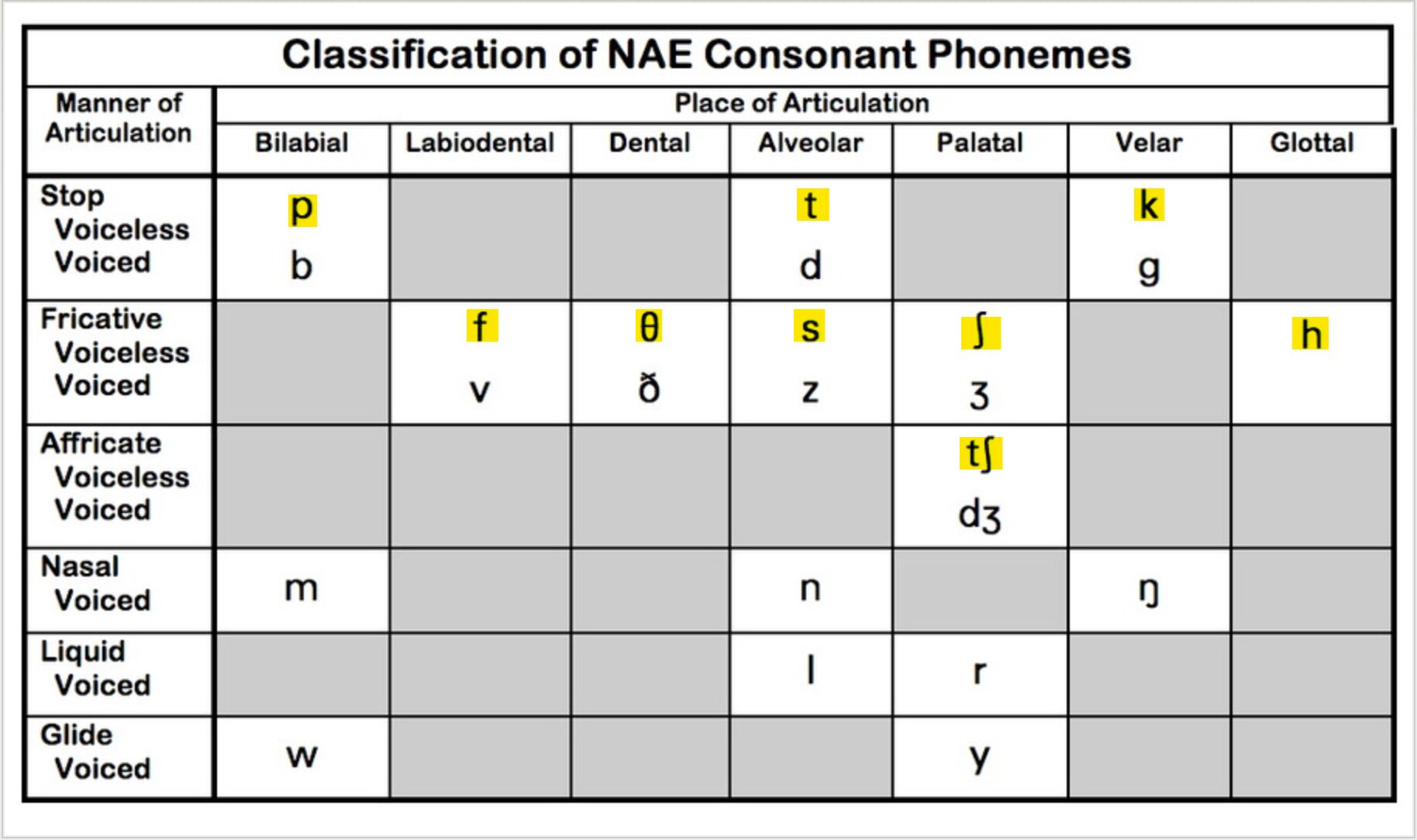
紅色標記為無聲子音
ㅤㅤ
(A) [əy] and [ay] are allophones of different phonemes. same phonemes /aɪ/
(B) [əy] becomes [ay] when occurring before a
(C) [əy] and [ay] are in
Free variation occurs when two different sounds can be used interchangeably in the same context without changing the meaning of a word. This can happen due to dialectal differences or individual speaker preferences.
例: either 可以唸成 /ˈiː.ðɚ/ 或 /ˈaɪ.ðɚ/ ,但字義不改變。
ㅤㅤ
(D) [ay] becomes [əy] when occurring before a voiceless sound. 符合表格內容ㅤㅤ
6
0