所屬科目:學士後西醫-普通生物及生化概論
1. Which of the following vitamin deficiencies is correctly paired with its associated disease? (A) Vitamin A – Beriberi (B) Vitamin B12 - Pernicious anemia (C) Vitamin K - Night blindness (D) Vitamin B1 - Impaired coagulation function
2. Which of the following is not involved in the patellar (knee-jerk) reflex? (A) Brain (B) Spinal cord (C) Sensory neurons (D) Motor neurons
3. Which of the following cell types originates from the same germ layer as nerve cells? (A) Cardiac muscle cells (B) Epithelial cells of the gastrointestinal tract (C) Adrenal medulla cells (D) Blood cells
4. Which of the following cell types has the most similar origin and function to macrophages? (A) Neutrophil (B) Lymphocyte (C) Microglia (D) Basophil
5. Which of the following structures in the male and female reproductive systems are homologous? (A) Scrotum – Clitoris (B) Penis - Labia majora (C) Testes Uterus (D) Bulbourethral glands - Vestibular glands
6. Which of the following statements is correct during inhalation? (A) The diaphragm relaxes and rises, and the pressure in the alveoli is higher than atmospheric pressure. (B) The diaphragm relaxes and descends, and the pressure in the alveoli is lower than atmospheric pressure. (C) The diaphragm contracts and rises, and the pressure in the alveoli is higher than atmospheric pressure. (D) The diaphragm contracts and descends, and the pressure in the alveoli is lower than atmospheric pressure.
7. Which of the following pairings between neurotransmitter imbalance and associated neurological disorders is incorrect? (A) Glutamate - Huntington's disease (B) Dopamine - Parkinson's disease (C) Serotonin - Major depression (D) Acetylcholine - Alzheimer's disease
8. Which of the following participates in smooth muscle contraction but does not participate in skeletal muscle and cardiac muscle contraction? (A) Actin (B) Myosin (C) Calmodulin (D) Ca2+
9. Which of the following statements about myelin is correct? (A) Myelin is distributed on the dendrites and axons of nerve cells, providing insulation and accelerating nerve signal transmission. (B) Myelin in the peripheral nervous system is composed of Schwann cells, which accelerate action potential transmission. (C) Myelin in the central nervous system is composed of Schwann cells, which accelerate action potential transmission. (D) Myelin in the central nervous system is primarily located in the gray matter region to ensure the precision of signal transmission.
10. Which of the following tissues has the highest proportion of extracellular matrix? (A) Epithelial tissue (B) Connective tissue (C) Muscle tissue (D) Cartilage tissue
11. Cells transplanted from the neural tube of a frog embryo to the ventral part of another embryo develop into nervous system tissues. This result indicates that the transplanted cells were (A) able to give rise to all tissue types, suggesting pluripotency. (B) already committed to forming neural tissues, implying early determination. (C) specialized cells that can only differentiate into a single type of tissue, indicating differentiation. (D) undifferentiated cells capable of forming a variety of cell types under specific conditions, pointing to plasticity.
12. Which of the following lipoproteins can remove cholesterol plaque, and high content in the blood decreases the possibility of cardiovascular disease? (A) HDL (B) VLDL (C) IDL (D) LDL
13. Which of the following is not a hormone secreted by the pancreas? (A) Insulin (B) Glucagon (C) Somatostatin (D) Somatomedin
14. Blood flow in the coronary circulation (A) increases during systole. (B) increases during diastole. (C) remains constant throughout the cardiac cycle. (D) decreases during diastole.
15. Organophosphate poisoning has been reported in cases of accidental ingestion of contaminated food. Which of the following best describes the toxic mechanism of organophosphates? (A) Irreversible inhibition of acetylcholinesterase, leading to excessive accumulation of acetylcholine at synapses. (B) Blockade of dopamine receptors, resulting in impaired neurotransmission. (C) Competitive inhibition of gamma-aminobutyric acid (GABA) receptors, causing excessive neuronal excitation. (D) Inhibition of sodium-potassium ATPase, leading to disruption of cellular ion homeostasis
16. Which statement is true about innate immunity? (A) Innate immunity serves as the body's first line of defense against pathogens. (B) An animal's prior exposure to a pathogen influences an innate immune response's strength. (C) Innate immunity has not yet been discovered in plants. (D) All of the above are true.
17. recognize pathogen-associated molecular patterns (PAMPs), a group of conserved molecular structures found in microbes. (A) cytokines (B) toll-like receptors (C) interferons (D) complement proteins
18. Which of the following is the major cause of septic shock? (A) systemic bacterial infections (B) latency period during viral infection (C) an increased amount of anti-inflammatory macrophages (D) local release of interferon
19. Which of the following cells and signaling molecules are involved in the initial stages of the local inflammatory response? (A) lymphocytes and transcription factors (B) lymphocytes and cytokines (C) neutrophils and interferons (D) mast cells and histamines
20. Which of the following steps is crucial to activating the adaptive immune response after the innate immunity is primed? (A) presentation of MHC (major histocompatibility complex)-antigen complex on a cell surface (B) activation of complement proteins (C) clonal expansion of memory cells (D) gene rearrangement of Iymphocyte receptors
21. Which structure is unique to gram-negative bacteria? (A) surface protein (B) peptidoglycan (C) lipopolysaccharide (D) teichoic acid
22. Which bacterial cell wall component can provide resistance to ẞ-lactams antibiotics? (A) The outer membrane of the bacterial cell wall (B) Peptidoglycan (C) Phospholipid bilayer (D) All of the above
23. Which strategies would NOT help a virus to evade immune response activation? (A) Having antigenic drift and antigenic shift (B) Inhibiting antigen presentation via down-regulating MHC (major histocompatibility complex) (C) Producing viral proteins that are very similar to those of other viruses (D) Having viral latency period as part of the viral life cycle
24. A patient shows long-term persistent cough, fever, and emaciation. A closer examination shows granuloma formation in the lungs. Which pathogen is likely involved in this infection? (A) Vibrio cholerae (B) Neisseria meningitidis (C) Mycobacterium tuberculosis (D) Salmonella typhimurium
25. Which of the following statements is NOT true? (A) Flagella are commonly found in bacteria, enabling them to propel forward or backward. (B) Cilia are commonly found in eukaryotic cells, particularly located in the human respiratory tract. (C) Pili are often associated with bacteria and play a major role in conjugation. (D) Fimbriae can be found on bacterial surfaces and function in movement and motility.
26. Which of the following correctly characterizes saturated fats? (A) They contain more hydrogen than unsaturated fats with an equal number of carbon atoms. (B) Their fatty acid chains contain multiple double bonds. (C) They are more commonly found in plants than in animals. (D) They are usually liquid at room temperature.
27. Which of the following molecules is most similar in structure to ATP? (A) a DNA nucleotide (B) an RNA nucleotide (C) a pentose sugar (D) an amino acid with three phosphate groups attached
28. Which of the following statements best describes an enzyme? (A) Enzymes increase the rate of chemical reactions by lowering activation energy barriers. (B) Patients with lactose intolerance often suffer from insufficient amounts of a gut enzyme known as galactose. (C) Disruption of an enzyme's active site would decrease the enzyme's ability to bind the final products. (D) Only herbivores have enzymes that can hydrolyze plant starch, thus making glucose available as a nutrient for cells.
29. Which of the following is an example of monosomy in humans? (A) Down syndrome (B) Klinefelter syndrome (C) Trisomy X (D) Turner syndrome
30. Which concept best relates to the following discoveries: (1) sickle cell disease confers resistance to malaria disease (2) In some parts of Africa, where malaria is widespread, the frequency of individuals who are heterozygous for the sickle-cell anemia allele is higher (A) Punnett square's modeling inheritance (B) Mendel's law of segregation (C) Incomplete dominance (D) Darwin's theory of natural selection
31. Which of the following is the antibacterial mechanism of Tetracyclines? (A) Combined with 50S ribosome subunit (B) Inhibit translocase activity (C) Inhibit Aminoacyl-tRNA binding to the bacterial ribosomes (D) Inhibit ribosomal peptidyl transferase activity
32. Neuraminidase is one of the important enzymes of some influenza viruses. This enzyme can remove which group on the glycoconjugates on the host cell membrane?** (A) N-acetylglucosamine (B) gluguronic acid (C) galactose (D) sialic acid
33. Which of the following is the rate-determining enzyme for cholesterol synthesis? (A) HMG-CoA synthase (B) HMG-CoA hydroxylase (C) HMG-CoA reductase (D) thiolase
34. How many disulfide bonds does a normal insulin have? (A) 1 (B) 2 (C) 3 (D) 4
35.Which of the following lipoprotein undergoes the RNA editing process to produce lipoprotein apo B-48? (A) Apolipoprotein A1 (B) Apolipoprotein C (C) Apolipoprotein B100 (D) Apolipoprotein E
36. Which of the following statements about eicosanoid hormones is correct? (A) Most are preformed and stored in vacuoles close to the cell membrane within the cell. (B) Prostaglandin, thromboxanes and leukotriene are not all their derivatives (C) Among them, thromboxanes are related to red blood cell (RBC) production. (D) The raw materials required for its production and synthesis mainly come from the cell membrane and are hydrolyzed by the enzyme phospholipase A2.
37. In the synthesis of gonadal hormones, which enzyme is unique to the production of estrogen? (A) Aromatase (B) 5a-reductase (C) 17a-hydroxylase (D) 20a-hydroxylase
38. Which of following amino acid has high rigidity led to for a natural kink in the peptide? (A) Glycine (B) Proline (C) Serine (D) Cysteine
39. Which of the following proteins cannot promote bone marrow hematopoiesis? (A) Granulocyte colony-stimulating factor (G-CSF) (B) Abciximab (C) Erythropoietin (D) Romiplostim
40. Mipomersen is an antisense oligonucleotide therapy for homozygous familial hypercholesterolemia through reducing serum low density lipoprotein (LDL) level. Which of the following is its main suppress target? (A) Proprotein convertase subtilisin/kexin type 9 (PCSK9) (B) Apolipoprotein E (C) Apolipoprotein B-100 (D) Apolipoprotein Al
41. Interleukin (IL)- 11 is a hematopoietic growth factor and mainly regulates the growth of which of the following? (A) Red blood cell (RBC) (B) Reticulocyte (C) Platelet (D) Monocyte
42. In the TCA (tricarboxylic acid) cycle, which of the following is the only dehydrogenase that does not use NAD+ as a coenzyme? (A) a-Ketoglutarate dehydrogenase (B) Malate dehydrogenase (C) Isocitrate dehydrogenase (D) Succinate dehydrogenase
43. Vitamin K deficiency can cause coagulopathy. What modifications are required for many coagulation factors? (A) ẞ-Acetylation (B) y-Carboxylation (C) B-Carboxylation (D) y-Acetylation
44. Many of the most potent toxins found in nature. Which of the following is the intoxication mechanism of tetrodotoxin? (A) Activating acetylcholine receptor (B) Antagonizes acetylcholine receptors (C) Blocks voltage-gated K+ channels (D) Blocks voltage-gated Na+ channels
45. What modification on proline changes the structural elasticity of collagen? (A) glycosylation (B) hydroxylation (C) phosphorylation (D) prenylation
46. What is the primary function of cytochrome c in the electron transport chain? (A) Acts as a proton pump (B) Transfers electrons between Complex III and Complex IV (C) Synthesizes ATP (D) Reduces oxygen to water
47. During cellular respiration, the majority of ATP is produced during which stage? (A) Glycolysis (B) Citric acid cycle (C) Electron transport chain (D) Fermentation
48. Which molecule is responsible for the conversion of fructose-6-phosphate to fructose-1,6-bisphosphate in glycolysis? (A) Hexokinase (B) Phosphofructokinase (C) Aldolase (D) Enolase
49. What is the main purpose of the urea cycle in mammals? (A) To break down fatty acids (B) To detoxify ammonia by converting it to urea (C) To produce ATP (D) To synthesize glucose
50. What is the primary function of the enzyme telomerase? (A) Repairs DNA damage (B) Unwinds the DNA double helix (C) Synthesizes RNA primers (D) Extends the telomeres of chromosomes
51. In the process of gluconeogenesis, which enzyme catalyzes the conversion of pyruvate to oxaloacetate? (A) Pyruvate kinase (B) Pyruvate carboxylase (C) Phosphoenolpyruvate carboxykinase (PEPCK) (D) Lactate dehydrogenase
52. What is the primary function of ubiquitin in the cell? (A) DNA replication (B) Protein degradation (C) RNA transcription (D) Lipid synthesis
53. What is the role of topoisomerase in DNA replication? (A) Synthesizes RNA primers (B) Unwinds the DNA helix (C) Relieves the tension generated by unwinding (D) Joins Okazaki fragments
54. Which of the following amino acid contains sulfur? (A) Glycine (B) Alanine (C) Methionine (D) Proline
55. Which of the following is a homopolysaccharide? (A) Chitin (B) Chondrotin (C) Heparin (D) Pectin
56. Pompe disease also known as glycogen storage disease II is caused by defect in (A) Glycogen phosphorylase (B) Glycogen branching enzyme (C) Lysosomal a-1, 4-glucosidase (D) Phosphorylase kinase
57. Which of the following is not a mechanism by a body to achieve self-tolerance of the immune system? (A) clonal proliferation (B) central tolerance (C) peripheral anergy (D) clonal deletion
58. In prokaryotic translation, which of the following proteins is responsible for binding and transporting the initiator tRNA? (A) eIF2 (B) IF1 (C) IF2 (D) IF3
59. Which of the following hormones could lower blood calcium level? (A) Aldosterone (B) Renin (C) Calcitonin (D) Cortisol
60. Which enzyme is responsible for the degradation of glycogen to glucose-1-phosphate? (A) Glycogen synthase (B) Glycogen phosphorylase (C) Phosphoglucomutase (D) Glucose-6-phosphatase
61. Which of the following signaling pathways are mainly activated by human erythropoietin in inducing the release of reticulocytes from the bone marrow? (A) protein kinase A (PKA) (B) AMP-dependent protein kinase (AMPK) (C) Janus kinase (JAK) signal transducer and activator of transcription (JAK-STAT) pathway (D) protein kinase C (PKC)
62. Which of the following could inhibit vitamin K epoxide reductase (VKOR), and then reduces the production of coagulation factors? (A) melagatran (B) tissue plasminogen activator (tPA) (C) heparin (D) warfarin
63. During a metabolic pathway, the accumulation of a specific intermediate inhibits the activity of the pathway's first enzyme. This type of regulation is known as: (A) Competitive inhibition, where the intermediate competes with the substrate for the active site. (B) Non-competitive inhibition, where the intermediate binds to a different site on the enzyme. (C) Feedback inhibition, where the intermediate acts as a regulator of the pathway. (D) Allosteric activation, where the intermediate enhances the enzyme's activity.
64. In the context of genetic engineering, which method allows for the precise editing of specific genes within an organism's genome? (A) CRISPR-Cas9 technology that targets and edits specific DNA sequences. (B) Traditional mutagenesis techniques that induce random mutations. (C) RNA interference to silence specific gene expression. (D) Polymerase chain reaction (PCR) to amplify specific DNA segments.
65. Sickle cell disease (SCD) is an autosomal recessive monogenic blood disorder, caused by a single point mutation in the sixth codon of the ẞ-globin gene. What is the sixth amino acid of the ẞ-globin in SCD? (A) Glutamic acid (B) Valine (C) Aspartic acid (D) Proline
66. Azidothymidine (AZT) is a reverse transcriptase inhibitor that was part of the first class of antiviral drugs developed to treat HIV infection. Which of the following steps does AZT act on during the HIV infection cycle? (A) Step A (B) Step B (C) Step C (D) Step D
67. Which statements are TRUE about the following steps of an ATP cycle?
(1) ATP hydrolysis to ADP + inorganic phosphate (Pi) yields energy
(2) the Pi released from ATP hydrolysis serves as an additional energy source
(3) Exergonic and catabolic pathways
(4) Endergonic and anabolic pathways (A) (1) and (2) (B) (3) and (4) (C) (1), (3), and (4) (D) (1), (2), and (3)
68. The menstrual cycle can be divided into four phases: ① Follicular, ② Ovulation, ③ Luteal, and ④ Menstrual. During these phases, the following endocrine changes occur: a. High estrogen and progesterone; low FSH and LH, b. Low estrogen and progesterone, c. LH surge, d. Increasing estrogen; low LH and low progesterone. Please match the correct endocrine change with each phase of the menstrual cycle. (A) ①d, ②a, ③c, ④b (B)①a, ②d, ③b, ④c (C) ①d, ②c, ③a, ④b (D) ①a, ②b, ③d, ④c
69. The process of urine formation involves the following steps: ①Active transport of sodium; water follows passively. ②Active transport of sodium; impermeable to water. ③Passively permeable to water only. ④ Passively permeable to water and urea. Please match each step to the following regions of the nephron: (A) 1a, 2c, 3b, 4e (B) 1a, 2b, 3c, 4 e (C) 1a, 2b, 3e, 4 c (D) 1b, 2a, 3e, 4 c
70. The action potential has three main stages: ①, ②, and ③, caused by the movement of ions across the cell membrane. Please select the correct ion movement corresponding to each phase: (A) ① Na+ influx, ② K+ efflux, ③excessive K+ efflux (B) K+ influx, ② Na+ efflux, ③Cl- influx (C) ① Nat efflux, ②K+ influx, ③ excessive Na+ influx (D) ①Cl efflux, ② K+ influx, ③ Na+ influx
 阿摩線上測驗
登入
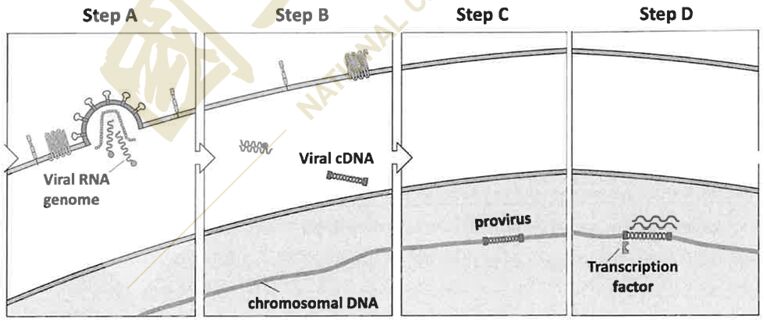 (A) Step A (B) Step B (C) Step C (D) Step D
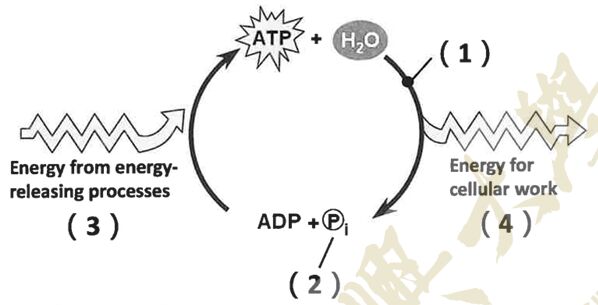
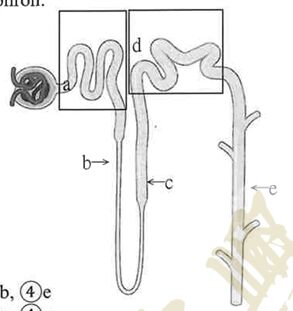 (A) 1a, 2c, 3b, 4e (B) 1a, 2b, 3c, 4 e (C) 1a, 2b, 3e, 4 c (D) 1b, 2a, 3e, 4 c
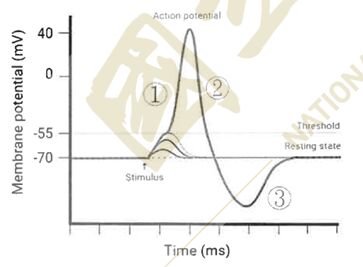 (A) ① Na+ influx, ② K+ efflux, ③excessive K+ efflux (B) K+ influx, ② Na+ efflux, ③Cl- influx (C) ① Nat efflux, ②K+ influx, ③ excessive Na+ influx (D) ①Cl efflux, ② K+ influx, ③ Na+ influx